

When Starbucks launched in South Africa in 2016, it was met with great enthusiasm. However, the excitement soon faded as the business struggled to stay afloat.
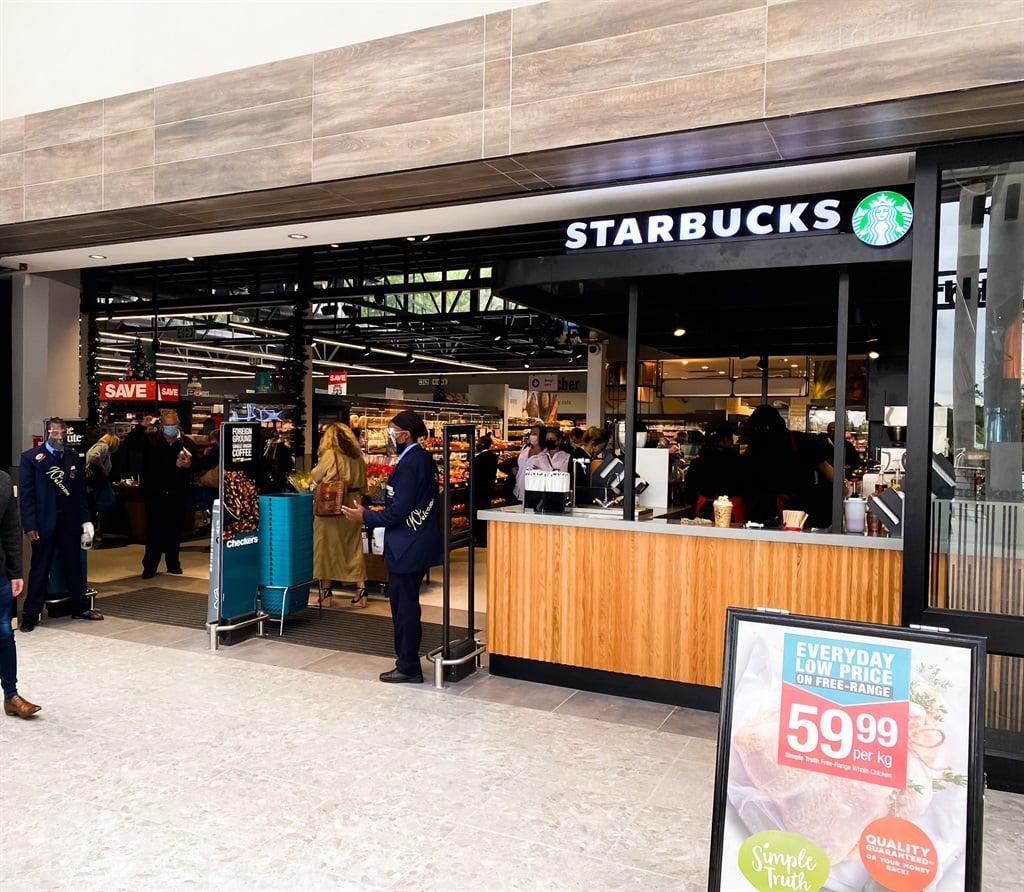
The turning point came when Adrian Maizey, a seasoned entrepreneur, stepped in with a R7 million deal to rescue the brand. His leadership and strategic vision transformed Starbucks South Africa into a profitable and thriving enterprise.
A Leader with Global Experience
Adrian Maizey, born in Centurion, South Africa, has a remarkable journey that began at Pretoria Boys High School. After matriculating in 1991, he pursued his passion for tennis in the United States, securing a scholarship at the University of Nebraska. Studying accounting there was a life-changing experience for Maizey, who described his early years in the U.S. as both challenging and transformative.

After graduating in 1996, he worked at Deloitte before earning an MBA from Harvard Business School. His career then took him through several high-profile roles, including CFO positions and working alongside influential figures like Eddie Lampert. His exposure to global business practices laid a strong foundation for his eventual entrepreneurial ventures.
In 2012, Maizey founded Rand Capital, a firm inspired by South Africa’s currency and Ayn Rand’s philosophy. His extensive experience in private equity and retail investments positioned him perfectly to lead Starbucks South Africa to success.
The Struggles of Starbucks South Africa
Before Maizey’s intervention, Starbucks South Africa faced significant challenges under Taste Holdings, the original licensee. Taste invested over R1.4 billion in the brand, yet it failed to turn a profit. High licensing fees, poor execution, and excessive overhead costs weighed heavily on the business.
In 2019, Taste decided to exit the food business, leaving brands like Starbucks and Domino’s Pizza up for sale. While Domino’s couldn’t survive the transition, Maizey saw potential in Starbucks and took action.
Turning the Business Around
Through Rand Capital Coffee, Maizey acquired Starbucks South Africa’s franchising rights and 13 locations for R7 million. However, the deal included significant liabilities, making his personal investment a high-stakes gamble.

“I had skin in the game,” Maizey said. This personal stake motivated him to streamline operations and ensure the business’s profitability.
One of his first moves was eliminating unnecessary expenses and multiple governance layers. By reducing overhead costs, Starbucks stores became profitable almost immediately.
A Localized Approach
Understanding that South Africa’s market differs significantly from the U.S. and Europe, Maizey adapted the Starbucks model to better suit local needs. He introduced locally manufactured furniture and art in stores, creating a unique, authentic South African feel. This not only reduced costs but also strengthened the brand’s connection with local communities.
Maizey also shifted the focus from large mall-based stores to smaller neighborhood locations and grab-and-go shops. This strategy made Starbucks more accessible and convenient for everyday customers. “We need to convert this novelty to a necessity,” he explained.
What Sets Starbucks Apart
Two key elements distinguish Starbucks from its competitors: variety and ethos. With over 87,000 possible drink combinations, Starbucks offers unparalleled choice. More importantly, the company’s people-first approach has been central to its success.
“We’re a people business that serves coffee, not a coffee business,” Maizey emphasized. This ethos resonates deeply with South African customers, fostering a loyal customer base.
A Bright Future

Under Maizey’s leadership, Starbucks South Africa has transformed into a profitable, community-focused brand. His innovative approach and commitment to localization have turned the company’s fortunes around, ensuring its long-term success in the South African market.
Through resilience, strategic thinking, and a passion for people, Starbucks South Africa now stands as a testament to the power of effective leadership and adaptability in the business world.