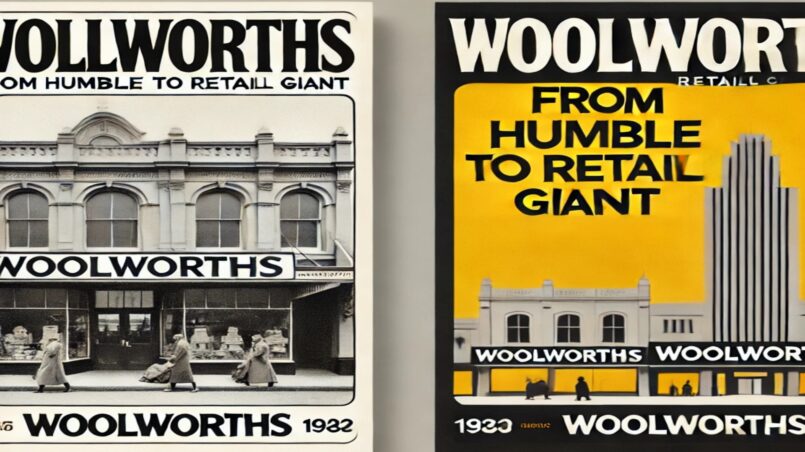
For more than 90 years, Woolworths has been a household name in South African retail.
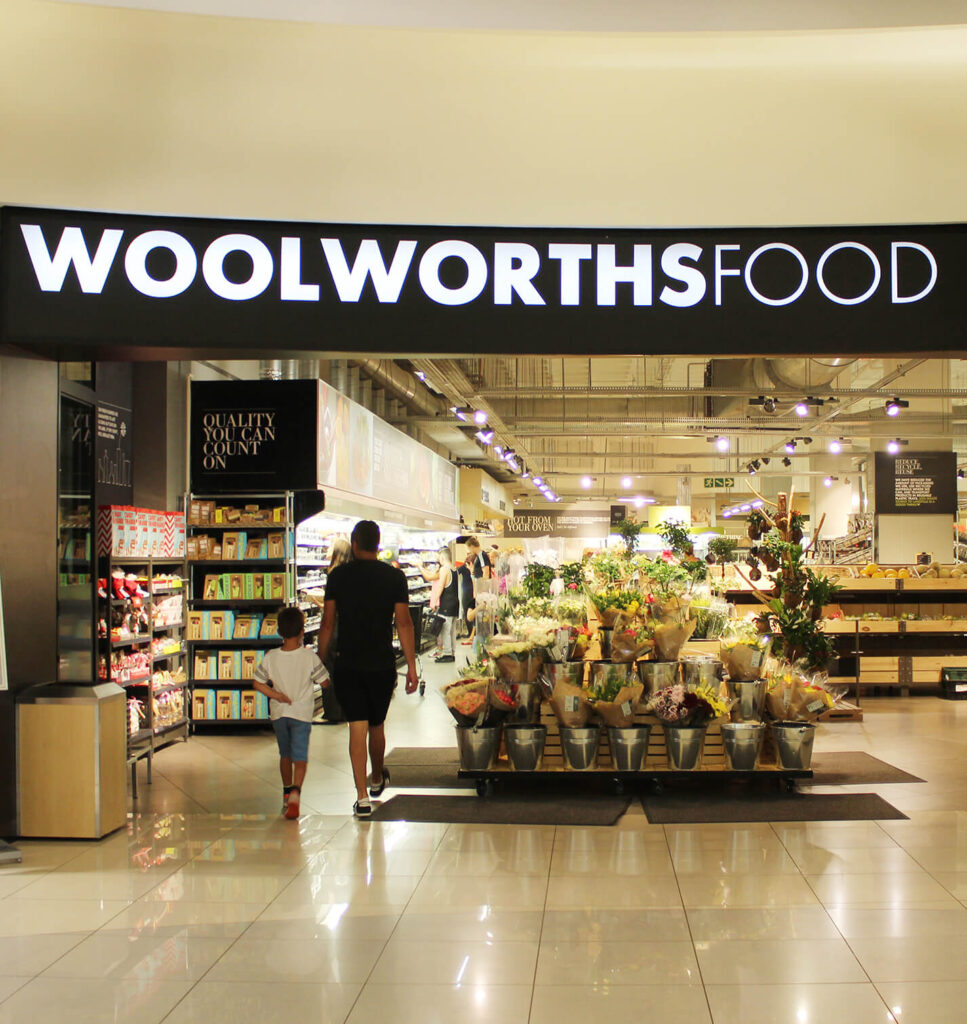
Catering primarily to middle- and upper-class consumers, “Woolies,” as it’s affectionately called, offers an extensive range of goods, from premium groceries to high-quality fashion and homeware.
The Rise of a Retail Giant
Woolworths Holdings Limited (WHL) has grown into a multinational retail powerhouse, operating across sub-Saharan Africa, New Zealand, and Australia.
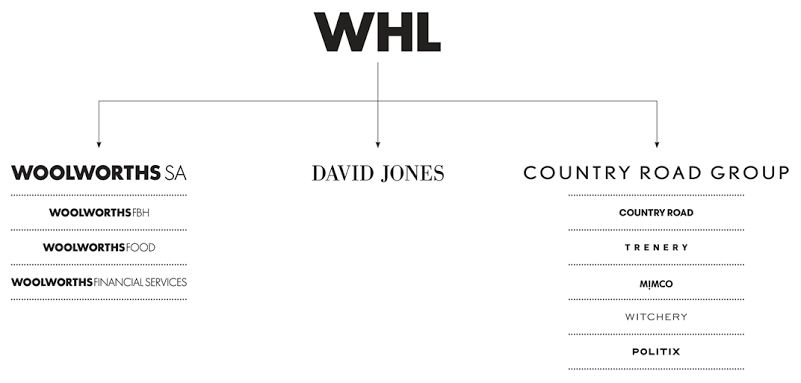
The business is structured into three key divisions: Woolworths South Africa, Country Road Group, and David Jones.
While many retailers expand through franchising, Woolworths has remained committed to its corporate-owned model. The group currently oversees nearly 300 full-line stores, 194 standalone food outlets, and 52 fashion, beauty, and homeware-specific stores in South Africa, alongside 68 locations in other African countries.
Employing 45,000 people across 13 countries, Woolworths is not just a leading retailer but also a significant employer on the continent. Additionally, its financial services arm offers credit cards, insurance products, and personal loans, broadening its reach in the competitive retail landscape.
Thriving in a Crowded Market
Competing against industry heavyweights like Shoprite, Pick n Pay, Spar, Mr. Price, and The Foschini Group, Woolworths has carved out a niche for itself with premium offerings and superior profit margins. Despite economic pressures like the COVID-19 pandemic and civil unrest, Woolworths achieved impressive sales of R85.9 billion in 2021.
A Humble Beginning
The Woolworths journey began on October 30, 1931, when Max Sonnenberg opened the first store in Cape Town. Operating out of the dining room of the Royal Hotel, Sonnenberg’s innovative retail approach quickly made waves.
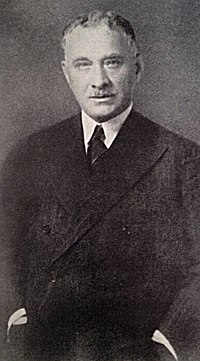
Recognizing the potential for growth, Sonnenberg partnered with Elie Susman, who provided the financial backing to expand the brand. By 1934, Woolworths had opened stores in Durban, Port Elizabeth, and Johannesburg, laying the foundation for its nationwide success.
Innovations That Transformed Retail
Woolworths has consistently led the way in retail innovation. From launching its store card in 1994 to integrating digital solutions, the company has evolved alongside consumer needs.
Internationally, Woolworths has grown its portfolio by acquiring iconic brands:
Country Road Group: Acquired in 1997, this lifestyle brand has expanded with launches like Trenery (2009) and acquisitions of Witchery and Mimco (2012) and Politix (2016).
David Jones: Purchased in 2014 for $2.2 billion, this Australian retailer brought Woolworths into new markets with over 40 locations in Australia and New Zealand.
Expanding Across Borders
Woolworths ventured into African markets in 2001, opening its first stores in Botswana. Today, the brand operates in 11 African countries, including Namibia, Kenya, and Tanzania. It has committed to further growth through store expansions and modernizations across the continent.
Investing in the Future
In late 2020, Woolworths announced a R1 billion investment to enhance affordability and accessibility. This includes significant price reductions in its food and fashion businesses, ensuring it remains competitive while maintaining quality.
The Legacy of Innovation
Max Sonnenberg’s vision of customer-centric retailing propelled Woolworths to the forefront of South African retail. His commitment to innovation, quality, and resilience created a business model that continues to thrive in a competitive market.
With a legacy rooted in excellence and a forward-thinking approach, Woolworths is poised for continued growth in the decades to come.