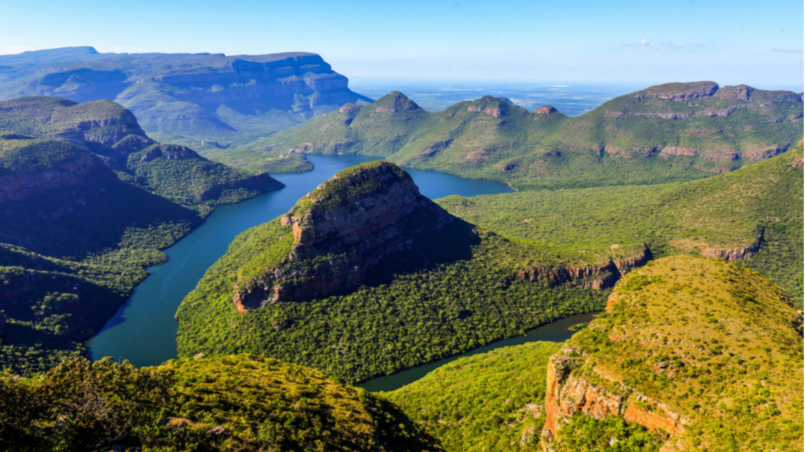
Nestled in the northeastern part of South Africa, the Blyde River Canyon is a breathtaking natural wonder that draws visitors from around the world to experience its stunning landscapes, rich biodiversity, and profound tranquility.
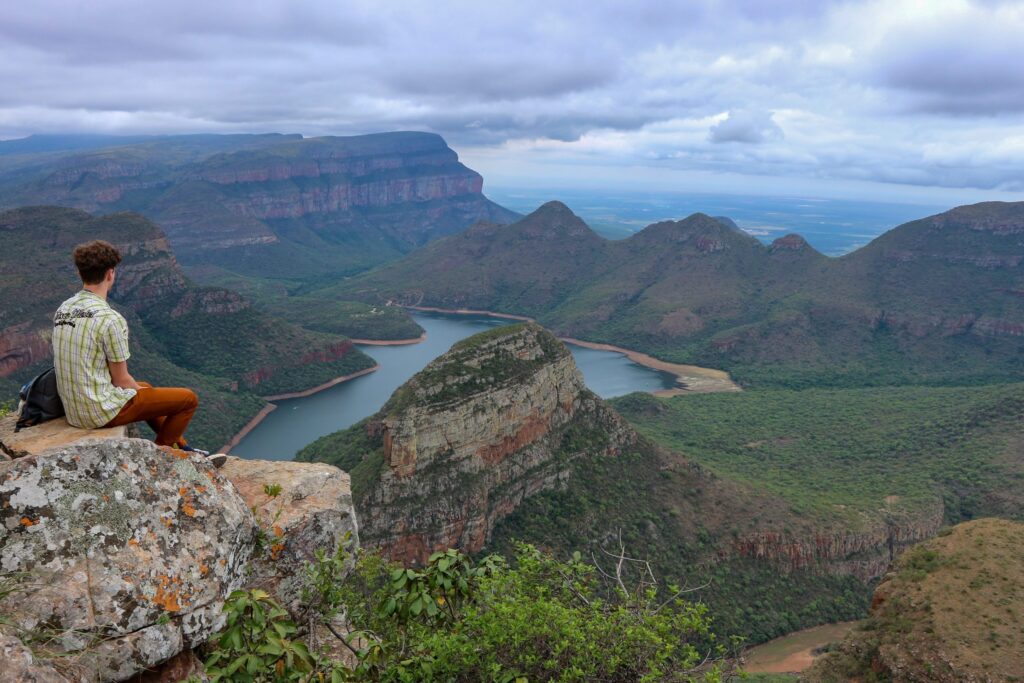
As one of the largest canyons on the planet, it stands as a testament to the raw beauty and geological marvels of the earth. Located in Mpumalanga province, the Blyde River Canyon forms part of the famous Panorama Route, making it an essential stop for anyone touring South Africa’s scenic wonders.
Why Visit the Blyde River Canyon?
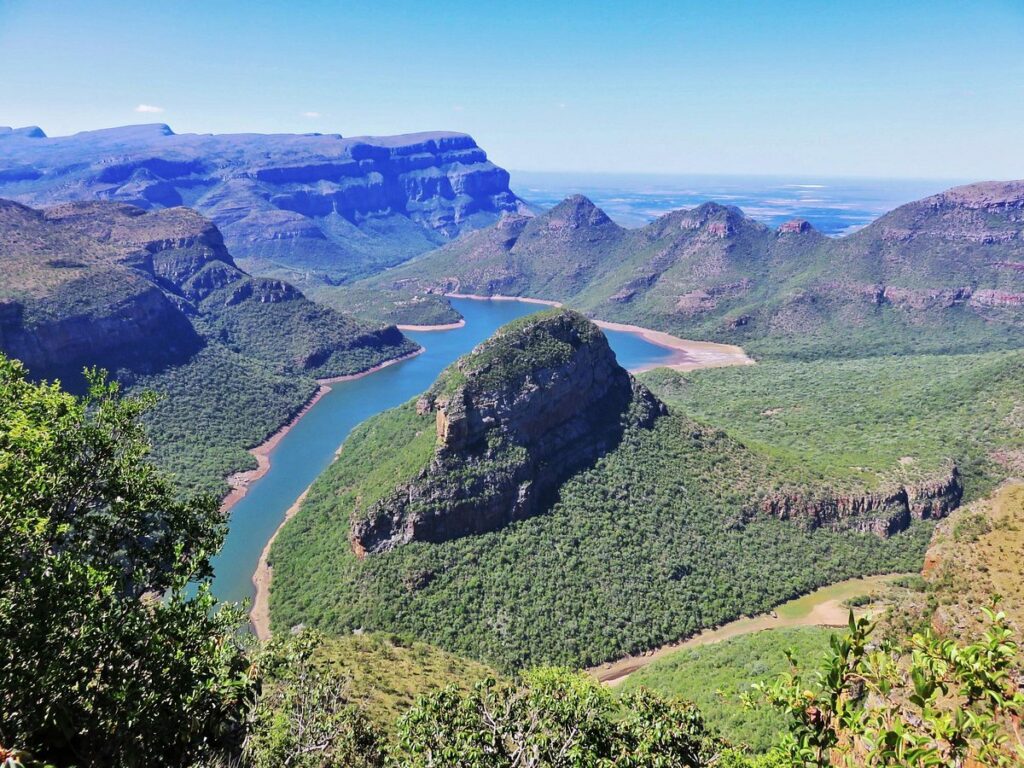
The Blyde River Canyon, often overshadowed by the more famous Kruger National Park nearby, offers a different yet equally spectacular experience. With its lush subtropical vegetation, dramatic rock formations, and sweeping vistas, the canyon provides a perfect blend of adventure, relaxation, and natural beauty. What sets the Blyde River Canyon apart from other major canyons is its remarkable size, lush greenery, and fertile surroundings, all contributing to its designation as a “green canyon.”
As one of the largest canyons in the world, the Blyde River Canyon measures approximately 26 kilometers long and up to 800 meters deep. It is a place where towering cliffs, crystal-clear waters, and dramatic rock formations converge to create one of South Africa’s most visited and visually striking destinations.
The Best Time to Visit the Blyde River Canyon
The Blyde River Canyon can be visited year-round, with each season offering something unique. However, the best time to visit depends on the type of experience you seek.
Spring and Summer (September to February):
This is the warmest period in the region, with temperatures ranging from 20°C to 30°C. Summer brings vibrant greenery to the canyon, with lush vegetation in full bloom. The Blyde River itself becomes a perfect spot for canoeing or boat trips, as the water levels are higher and the landscapes are particularly striking against the summer skies. The hotter months also coincide with the rainy season, making the waterfalls, such as the impressive Berlin Falls, even more spectacular.
This is also the best time for wildlife enthusiasts, as the lush, dense vegetation provides great cover for a variety of bird species, including the endangered white-backed vulture. While the climate can be humid and there are occasional thunderstorms, the lush scenery and abundant wildlife make it a top choice for many visitors.
Autumn and Winter (March to August):
The cooler months of autumn and winter (May to August) bring mild temperatures and a drier climate, making it ideal for hiking and outdoor activities. The temperatures range from 10°C to 20°C, and while the canyon’s vegetation may be less lush, the landscapes remain strikingly beautiful. The clear skies during winter offer some of the best visibility, providing unrivaled views of the canyon’s cliffs and surrounding scenery.
Winter is also the best time for photography enthusiasts who want to capture the raw beauty of the canyon, as the lack of foliage provides clearer views and striking contrasts between the rock formations and the sky. If you prefer a quieter, more serene experience, the winter months offer a less crowded atmosphere and more intimate encounters with the landscape.
Must-See Attractions in the Blyde River Canyon
The Blyde River Canyon is dotted with several iconic landmarks, each offering its own unique perspective on the area’s natural beauty. Here are a few of the must-visit highlights:
God’s Window
One of the most famous viewpoints in the Blyde River Canyon, God’s Window offers panoramic views over the canyon and the surrounding Lowveld. The viewpoint is located about 1,400 meters above sea level, and on clear days, visitors can see as far as the Kruger National Park. The lush vegetation surrounding the viewpoint gives it the “window” effect, with dense forests and deep gorges stretching into the distance.
Three Rondavels
The Three Rondavels are perhaps the most recognizable formation in the Blyde River Canyon. These three distinctive, round-shaped peaks resemble traditional African rondavel huts and are a striking feature of the canyon’s skyline. The formation is a result of millions of years of erosion, and visitors can enjoy a spectacular view of the Three Rondavels from various vantage points along the canyon’s edge.
Blyde River Dam
Located at the bottom of the canyon, the Blyde River Dam offers a serene and peaceful setting, ideal for boat trips, picnics, and relaxing by the water. The dam’s tranquil waters reflect the surrounding cliffs, providing an excellent opportunity for photographers to capture the beauty of the canyon. A boat trip on the dam also offers a unique perspective of the canyon, with the opportunity to spot wildlife and take in the incredible rock formations.
The Bourke’s Luck Potholes
At the confluence of the Blyde and Treur Rivers lies the Bourke’s Luck Potholes, a fascinating natural wonder. These cylindrical holes, carved into the rock by water erosion over thousands of years, are a must-see for anyone visiting the Blyde River Canyon. The potholes form part of the canyon’s lower reaches and are a popular stop for tourists. The surrounding area also features scenic walking trails that allow visitors to explore the unique geology and natural surroundings.
Outdoor Activities at the Canyon
Apart from sightseeing, the Blyde River Canyon offers a range of outdoor activities that allow visitors to truly immerse themselves in the landscape. Some of the top activities include:
- Hiking and Trails: The canyon is home to numerous trails, including the popular Panorama Route hiking trails. For those seeking a challenge, the Swanepoel’s Rust Trail and Tufa Waterfall Trail offer rewarding hikes with spectacular views of the canyon.
- Canoeing and Boat Tours: The Blyde River offers opportunities for canoeing, especially around the dam and the tranquil waterways of the canyon. Boat tours are also available and provide a leisurely way to appreciate the canyon’s sheer scale and beauty.
- Wildlife Viewing: The area surrounding the canyon is rich in wildlife, including various species of birds, reptiles, and mammals. For birdwatchers, the Blyde River Canyon is home to species such as the African fish eagle and the white-backed vulture.
Conservation and Sustainability
As a protected natural area, the Blyde River Canyon is part of the greater Blyde River Canyon Nature Reserve, which promotes conservation and sustainable tourism. Efforts are continuously made to preserve the region’s biodiversity and fragile ecosystems, with eco-friendly tourism practices encouraged to ensure that this natural wonder remains for future generations.
Conclusion
The Blyde River Canyon is a must-visit destination for nature lovers, adventure seekers, and anyone looking to experience one of South Africa’s most awe-inspiring landscapes. Whether you are drawn to its dramatic cliffs, rich wildlife, or tranquil waters, the canyon offers a profound connection to the earth’s natural beauty.
From scenic viewpoints and hiking trails to boat rides and photography opportunities, there is no shortage of ways to immerse yourself in the splendor of this remarkable geological formation. Plan your visit to the Blyde River Canyon and discover firsthand why this spectacular site is considered one of the world’s greatest natural wonders.