

Nestled in the heart of the Klein Karoo region of South Africa, the Cango Caves are one of the country’s most impressive natural wonders.
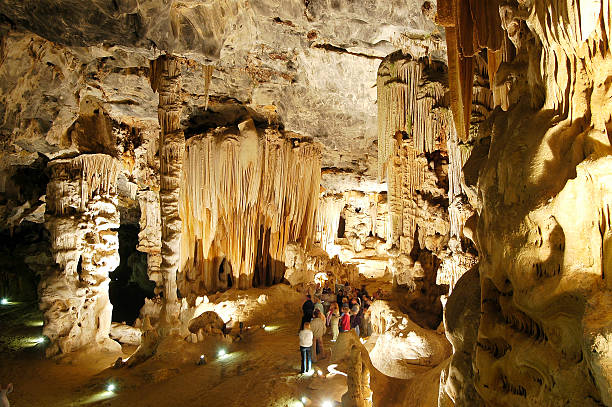
This world-renowned limestone cave system is celebrated for its stunning stalactite and stalagmite formations, fascinating underground chambers, and rich geological history. Whether you’re a lover of nature, adventure, or history, the Cango Caves offer an unforgettable experience. Here’s a comprehensive guide to exploring these awe-inspiring caves.
Why Visit the Cango Caves?
The Cango Caves are located just outside the town of Oudtshoorn in the Western Cape, making them an easy addition to any South African road trip, especially for those traveling along the scenic Garden Route. The caves stretch over 4 kilometers into the mountainside, with the tour taking visitors deep into the heart of this vast underground world. The caves’ dramatic beauty has made them one of South Africa’s most visited tourist attractions.
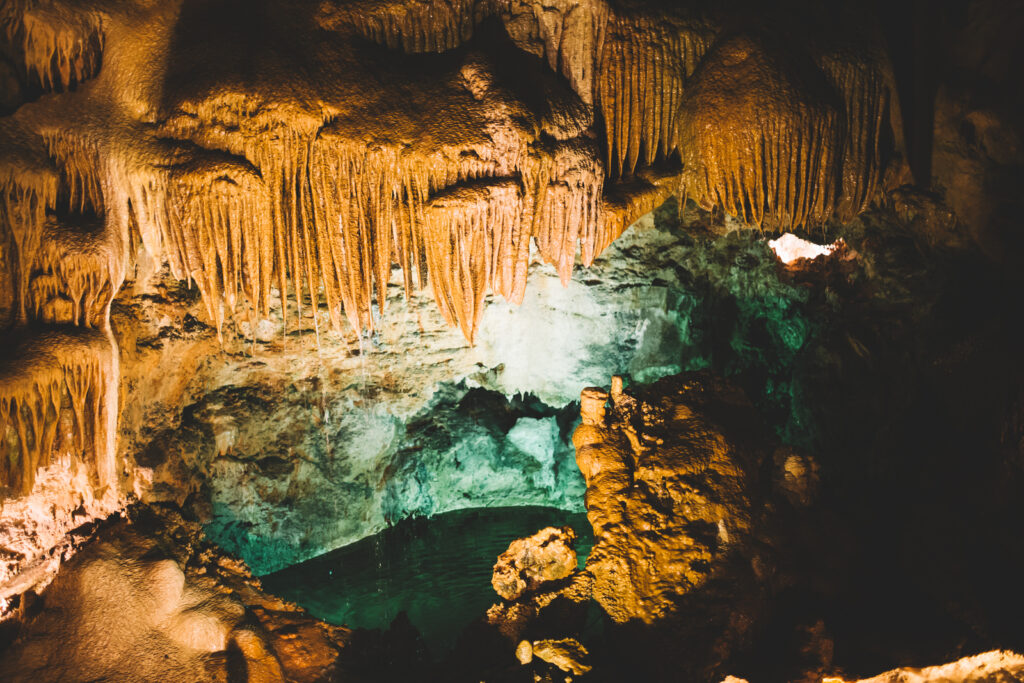
What makes the Cango Caves unique is their combination of both natural beauty and historical significance. The cave system, believed to be around 20 million years old, features some of the largest and most intricate formations of stalactites and stalagmites in the world. The formations are a result of centuries of dripping mineral-laden water that has left behind striking calcite deposits, creating an otherworldly underground landscape.
History of the Cango Caves
The discovery of the Cango Caves dates back to the 19th century, when a Dutch farmer named Hansie van der Merwe stumbled upon the caves in 1780. The caves were subsequently explored by locals and became a popular tourist attraction.
The caves were originally known to indigenous people such as the Khoi and San, who are believed to have used them as shelters, although the extent of their occupation remains unclear. Evidence of early human activity, such as rock paintings and stone tools, has been found in the caves, adding a layer of cultural and historical significance to the site.
Best Time to Visit the Cango Caves
The Cango Caves can be visited year-round, but the ideal time depends on your preferences and the kind of experience you’re seeking:
- Summer (December to February): Summer in South Africa is warm, with temperatures reaching 25°C to 35°C in Oudtshoorn. While the caves remain cool, this is the peak tourist season, so expect larger crowds. However, the lush greenery surrounding the caves during this time is quite beautiful.
- Autumn (March to May): Autumn is a wonderful time to visit as the weather is mild and the summer crowds have subsided. The surrounding landscape is also stunning with vibrant autumn foliage.
- Winter (June to August): Winter temperatures in Oudtshoorn can drop below 10°C, but the caves remain comfortably cool throughout the year. This is the best time to visit for those seeking a quieter, more intimate experience, as there are fewer tourists during the winter months.
- Spring (September to November): Spring offers pleasant weather with blooming wildflowers, making it an ideal time for outdoor exploration before the summer heat sets in.
The Cango Caves Tour Experience
Visitors to the Cango Caves can choose between different guided tours, each offering a unique experience of the caves. The tours are designed to accommodate varying levels of adventure and physical fitness, so you can choose one that suits your interests.
Heritage Tour (Standard Tour)
The Heritage Tour is the most popular and accessible option for most visitors. This tour covers the main chambers of the Cango Caves and provides a fascinating introduction to the caves’ history, geology, and unique formations. It’s suitable for families, children, and anyone with a general interest in the caves’ beauty. The tour lasts about 1 hour and covers a distance of 500 meters. Highlights of the Heritage Tour include:
- The Rainbow Chamber: A stunning cavern known for its vivid color contrasts, formed by the natural mineral deposits that coat the walls.
- The Bridal Chamber: A large, impressive chamber with delicate formations that resemble a bridal veil, often considered the most beautiful section of the caves.
- The Organ: A towering, stalactite formation that resembles a church organ, one of the most iconic formations in the Cango Caves.
Throughout the tour, knowledgeable guides explain the formation of the caves, the various types of mineral deposits, and the history of the caves, including early human use.
Adventure Tour (More Challenging Tour)
For those seeking a more exhilarating experience, the Adventure Tour offers a chance to explore parts of the cave system that are less accessible and more challenging.
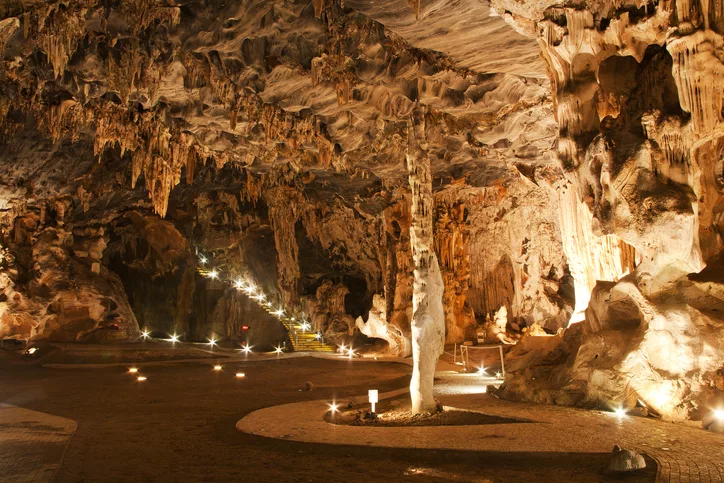
This tour is suited for those with an adventurous spirit and requires a moderate level of physical fitness. The Adventure Tour takes about 1.5 hours and includes narrow passages, crawling through tight spaces, and climbing up ladders. Highlights include:
- The Tunnel of Love: A narrow, winding passage that requires crawling on hands and knees through a small gap—it’s a fun and unique experience for thrill-seekers.
- The Devil’s Chimney: A vertical climb through a tight opening that leads to the upper chambers of the cave system. It’s a challenge, but well worth it for those who enjoy physical activities and adventure.
- The King’s Chamber: A large, dark cavern that gives a sense of scale to the sheer size of the cave system.
Note: The Adventure Tour is not recommended for claustrophobic individuals or those with heart conditions. It’s also advisable to wear comfortable clothes and sturdy shoes.
What to Expect Inside the Cango Caves
The moment you enter the Cango Caves, you’ll be transported into a world of awe-inspiring formations. The cave’s features include:
- Stalactites and Stalagmites: These iconic formations grow from the ceilings and floors of the cave as water drips and deposits minerals over time.
- Flowstone: Layers of calcite that have built up over the years, creating beautiful, smooth, and glistening surfaces throughout the cave.
- Soda Straws: Delicate, tube-like structures formed by mineral-rich water dripping from the ceiling.
- Columns: Massive, upright pillars of stone formed when a stalactite and stalagmite meet and fuse together over centuries.
The temperature inside the caves stays relatively constant at around 18°C (64°F), so it’s advisable to wear a light jacket, especially during the cooler months.
Other Activities Around the Cango Caves
While the Cango Caves are the main attraction in the area, there are several other activities nearby that visitors can enjoy:
- Cango Wildlife Ranch: Just a short drive from the caves, the Cango Wildlife Ranch offers the chance to interact with some of South Africa’s wildlife, including cheetahs, crocodiles, and various species of exotic birds.
- Oudtshoorn Town: Known as the “Ostrich Capital of the World,” Oudtshoorn is famous for its ostrich farms and museums, where you can learn about the history and significance of ostriches in the region.
- Cango Ostrich Farm: Located nearby, this farm offers guided tours where visitors can learn about ostrich farming and even have the opportunity to ride an ostrich.
Tips for Visiting the Cango Caves
- Wear comfortable shoes: Since the caves have uneven terrain, sturdy footwear is essential.
- Bring a jacket: Even in warmer months, the temperature inside the caves can be cool, so it’s a good idea to bring a light jacket or sweater.
- Book in advance: The Cango Caves can get busy, especially during peak tourist seasons, so it’s advisable to book your tickets in advance to avoid long waits.
- Check tour availability: Different tours are available at different times, so check the schedule when planning your visit.
- Stay hydrated: The surrounding Klein Karoo region can be quite hot, especially during summer, so make sure to bring water with you on your journey.
Conclusion
The Cango Caves offer a truly unforgettable experience, showcasing the natural beauty of South Africa’s subterranean world.
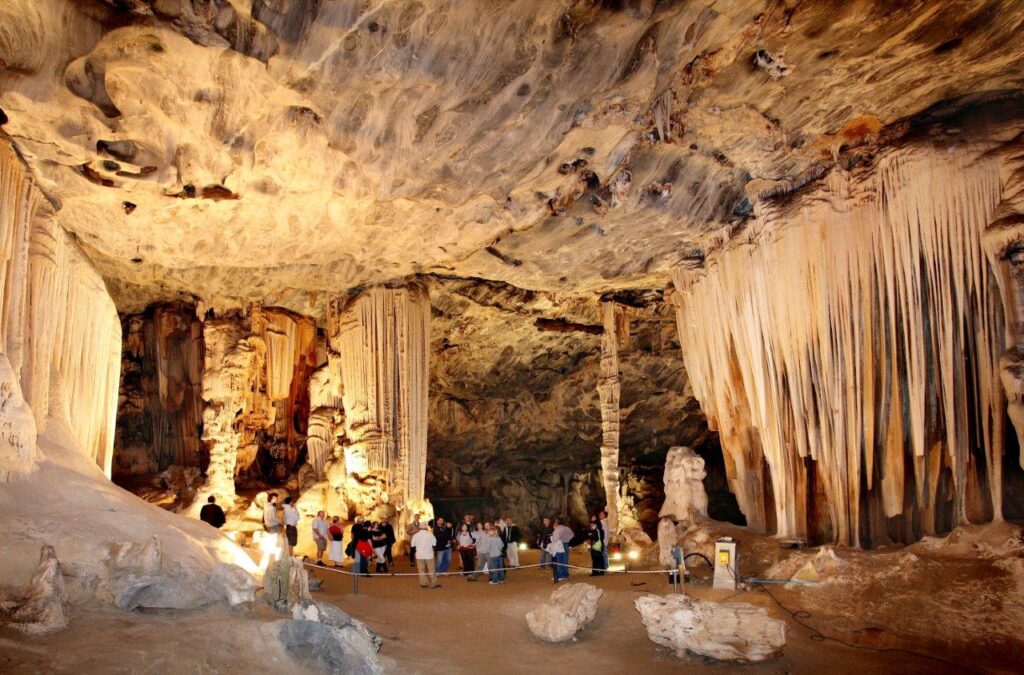
Whether you’re marveling at the stunning formations on the Heritage Tour or challenging yourself on the Adventure Tour, the Cango Caves are a must-see destination for anyone traveling to the Western Cape. With a rich geological history, breathtaking underground chambers, and opportunities for adventure, these caves are a highlight of the region and a must for any nature lover or adventurer.