

Is it safe to travel to South Africa? That’s a fair and vital question for anyone planning a trip to this remarkable country. South Africa offers breathtaking landscapes, rich cultural heritage, and a vibrant urban life. Yet, it’s no secret that safety concerns often dominate the conversation.
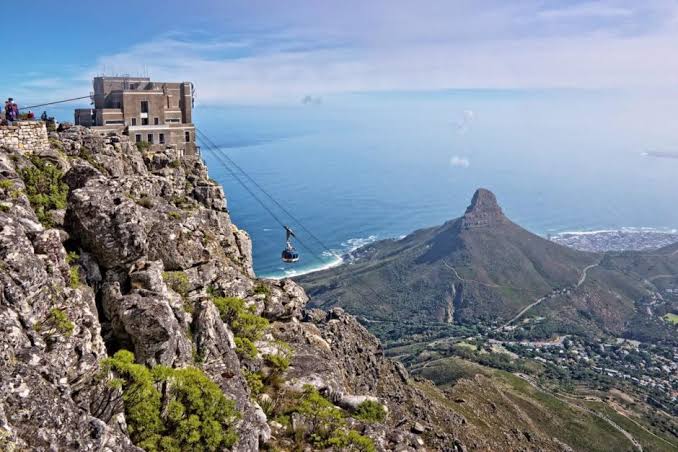
With headlines mentioning crime and unrest, it’s easy to get nervous. But here’s the truth—like many travel destinations, safety in South Africa depends on how and where you travel. This guide breaks down everything you need to know to stay safe while enjoying the best South Africa has to offer.
Understanding the Landscape: Why Safety Is a Key Concern
South Africa is known for both its beauty and its challenges. High inequality, urban crime, and historical imbalances contribute to safety concerns in some areas. However, tourism hotspots like Cape Town, the Garden Route, and Kruger National Park are generally well-managed, with dedicated tourist police and well-established infrastructure.
Is It Safe to Travel to South Africa Alone?
Yes, but with caution. Solo travel is possible—especially for experienced travelers. Stick to daylight hours, use trusted transport, and avoid isolated places. Choose registered accommodations with good reviews and inform someone of your itinerary.
Cities Ranked Safest for Tourists
- Cape Town (tourist zones only)
- Durban’s beachfront areas
- Pretoria’s suburbs
- George and Knysna (Garden Route)
These cities are known for welcoming tourists but require vigilance, especially at night.
Transportation Safety Tips
- Use Uber or Bolt instead of public minibusses.
- Rent a car only if confident with local driving norms.
- Avoid traveling after dark, especially on rural roads.
Accommodation Security
- Choose places with 24-hour security.
- Look for electronic access, gated entrances, and safe parking.
- Airbnb is common, but read reviews carefully.
Common Scams to Avoid
- “Friendly helper” ATM scam: Only use ATMs inside banks or malls.
- Fake tour guides: Book only through verified providers.
- “Dropped wallet” distraction scam: Be aware in busy areas like markets and taxi ranks.
Local Laws and Police Interaction
Respect local rules. Carry a copy of your ID or passport. If stopped by police, be polite and ask to see identification. Bribery is illegal—never engage in it.
Health and Emergency Prep
- Avoid tap water in remote areas—stick to bottled.
- Get travel insurance that includes medical evacuation.
- Know emergency numbers:
- Police: 10111
- Ambulance: 10177
- Mobile emergency: 112
Digital and Financial Safety
- Don’t flash smartphones or cash in public.
- Avoid public Wi-Fi for banking.
- Use hotel safes for valuables.
LGBTQ+ and Female Traveler Considerations
- Urban centers are generally inclusive.
- Be cautious in conservative rural areas.
- Women should avoid walking alone at night. Dress modestly in unfamiliar environments.
Best Practices for a Safe South African Trip
- Travel light and smart.
- Blend in—don’t look overly touristy.
- Learn basic local phrases.
- Stay aware of surroundings and trust your gut.
Is it safe to travel to South Africa? The answer is: yes, with the right precautions. Travelers who stay alert, plan well, and respect local customs enjoy the full magic of South Africa. Safety starts with awareness—and now, you’re equipped with everything you need.
Let