
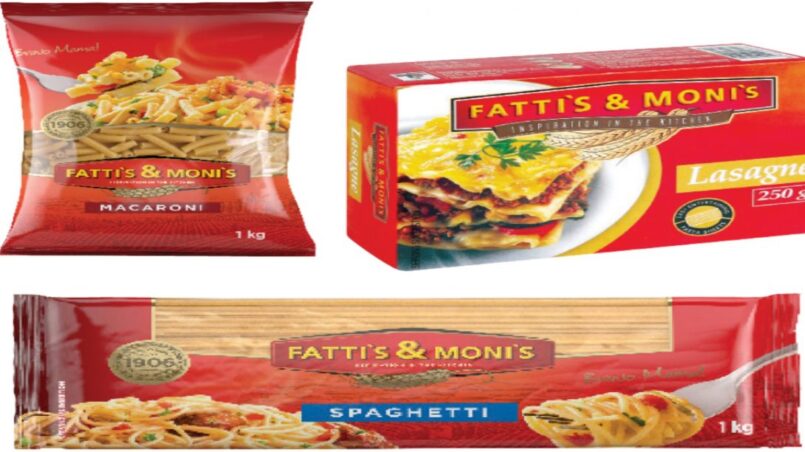
From very humble beginnings as a tiny grocery store at the turn of the century to becoming one of Africa’s largest pasta manufacturer was a long road for Fatti’s & Moni’s, but a mind blowing one.
Fatti’s & Moni’s was born during the turbulent days of the Witwatersrand gold
rush, and is as old as the city of Johannesburg itself.
Background
The Moni family came from Northern Italy, in the city of Lucca where their hereditary family home, the Casa Moni, has survived to this day.
Back in the 1860s, Giovanni Moni was a successful merchant trading in wines, olive oil, silk and chestnuts. As was common in Victorian times, he had a large family — 6 boys and 3 girls.
The Casa Moni family prospered until 1895, when Italy was hit by a recession, and also a disastrous war against the
Abyssinians.
This prompted the Moni boys to look for greener pastures elsewhere to cater for their livelihood. News of the discovery of enormous wealth in the new Witwatersrand goldfields sent Guiseppe
Moni to South Africa in 1896, alongside many of his countrymen.
To cater for the many Italians in the community, businesses sprang up selling food and specialities they were accustomed to — macaroni, olive oil and wines from Italy.
Guiseppe found his first employment with one of those establishments at 63
Marshall Street, Johannesburg CBD. In 1899, business came to an abrupt halt after the outbreak of the Boer War.
After the British occupied Johannesburg in 1900, a limited number of civilians were allowed to resume trading.
Giuseppe then set up his own business, selling imported goods from Italy, such as Bologna sausages, Parmesan cheese, and pastas. In 1904, two other members of the Casa Moni family arrived in South Africa — Pietro and Giacomo, then only 18 years of
age.
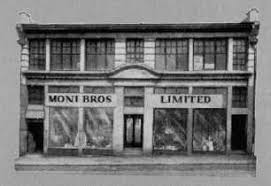
In 1906, Moni Brothers Limited was established as a private family business, and through this company, they controlled all their interests over the years. With more Italians than ever working on the Rand, the demand for Italian delicacies and beverages rose sharply.
To cater to the demand, the Moni’s established a rifle-shooting gallery and Italian club with a membership of over 450 people. Business flourished well until 1913, when rioting broke out, and the original Joburg station was burnt to the ground, as were the offices of other companies including The Star.
Troops were called out, and martial law was proclaimed. Within yards of the premises of the Moni brothers, pick handled charges by mounted police were in progress, and fusillades of bullets were loosed down Commissioner Street with considerable loss of life.
The beginning of World War 1 in 1914 made importation of goods practically impossible. This persuaded the Moni brothers to start manufacturing their own goods locally.
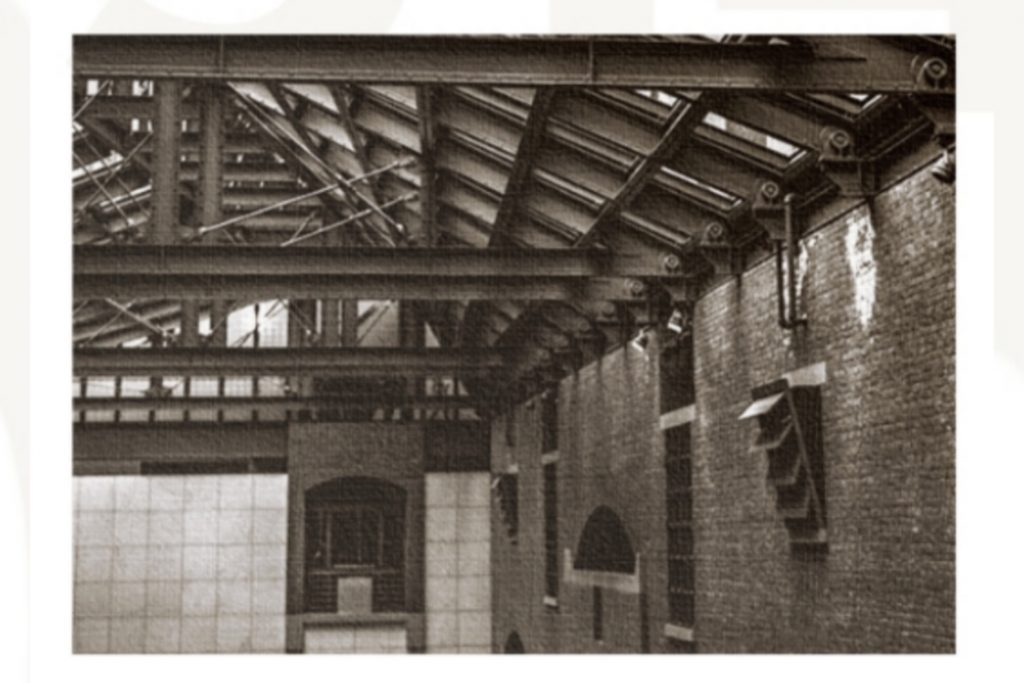
In 1915, the Italian Warehouse Company was officially registered in Johannesburg, and the Monis installed the required machines in their premises on the corner of Fraser & Jeppe Streets. Shortly afterwards, they opened another branch in Cape Town.
The war concluded, but it was to be another 4 years before the company showed its first profits of £l000.
Luigi Fatti
Meanwhile, Luigi Fatti also arrived in South Africa in 1897, he was the sole agent for Gio & F Buitoni, one the largest pasta manufacturers in the world at that time.
By 1907, Fatti’s was incorporated as a limited company with agencies in Hamburg and London. While a friendly rivalry existed between Fatti and the Monis — who operated only a few yards away — Fatti decided to steal a march on his competition in 1911 by building a new big factory.
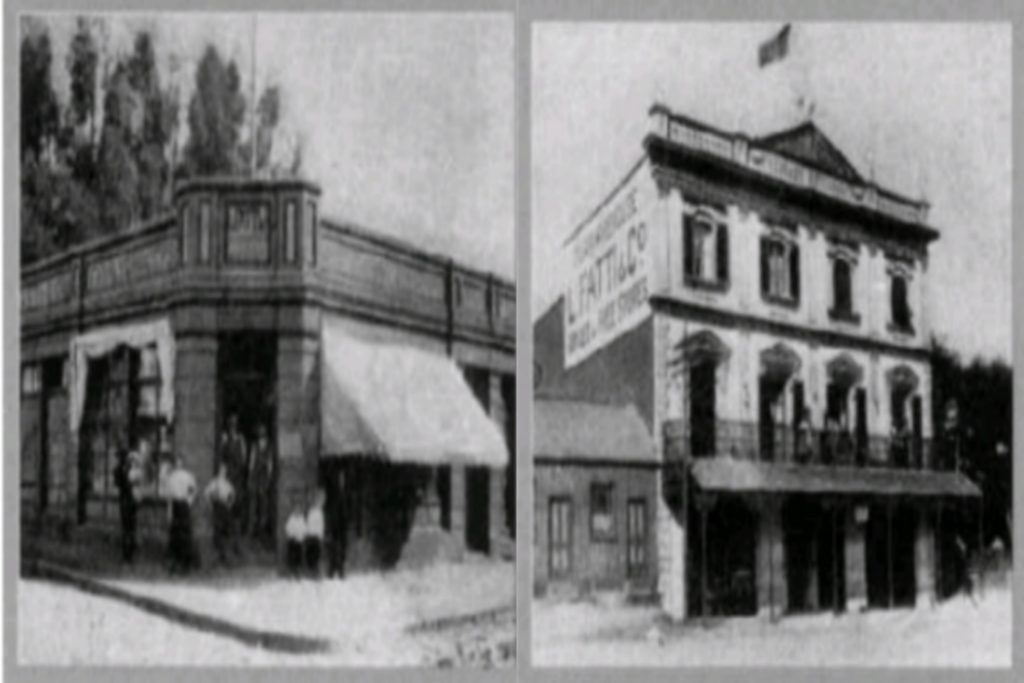
By 1917, Fatti had grown to such an extent that he had 31 people working for him, with clients as far ahead as British East Africa and Belgian Congo. Rivalry between Fatti and the Monis grew steadily as they challenged each other by cutting prices, expanding their premises, and also expanding trade in the Southern Hemisphere.
In 1925, a peace treaty was signed between the 2 families which resulted in the formation of an entirely new entity, United Macaroni Factories.
In 1930, in spite of the difficult times brought by the market crash the previous year, the Monis opened their first wheat mill in Cape Town, in order to safeguard the supply of their raw materials.
The new wheat mill and macaroni factory were far ahead of anything of its kind in the country. Its range of products included semolina, infant breakfast foods and ice cream cones as well as all the pastas.
In 1931, Luigi Fatti retired from the board of his company, although he remained chairman.
In 1953, the Moni brothers secured the controlling Fatti interest in the business, and Pietro Moni became managing director. In 1967, the large wheat mill and pasta complex was built in Isando, and two years later the old factory in Selby was moved across to the new premises.

In 1982, Tiger Brands took over the controlling interest and the United Macaroni Company became known as
Fatti’s & Moni’s.