
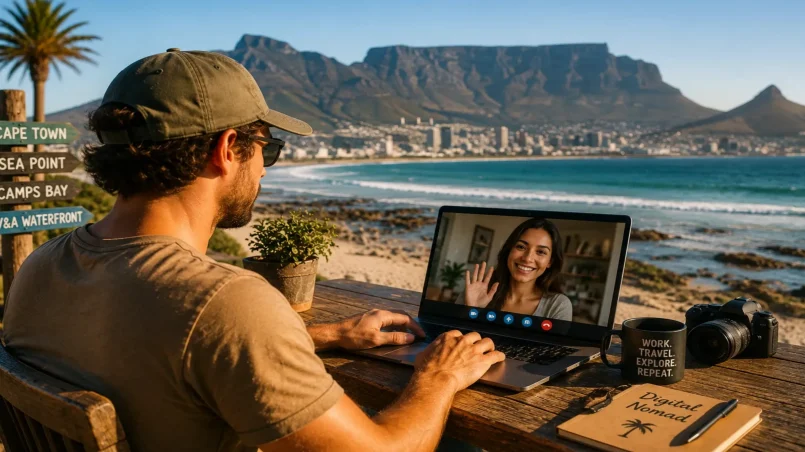
Remote workers are increasingly using stranger video chat platforms as digital nomad lifestyles continue growing around the world. Millions of professionals are no longer tied to traditional office environments, allowing them to work remotely from cities like Cape Town, Bali, Lisbon, and Bangkok while maintaining flexible lifestyles. While this freedom has created exciting opportunities, it has also introduced new challenges — especially when it comes to social interaction, loneliness, and staying connected while constantly traveling.
Many remote workers spend long periods working alone from apartments, hotels, cafés, and co-working spaces far away from their usual social circles. Over time, this lifestyle can become isolating, which is one reason communication-focused platforms and real-time online interaction continue gaining popularity among digital nomads and remote professionals.
The Social Side of Remote Work
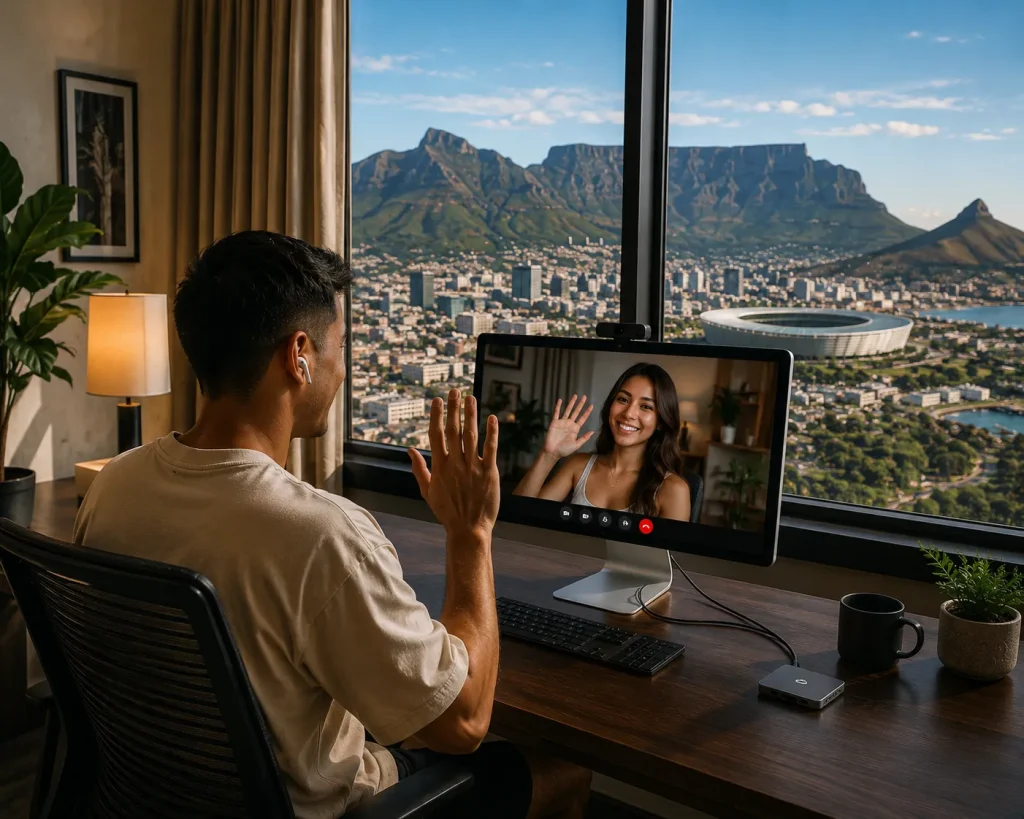
Remote work offers flexibility, but it can also reduce everyday human interaction. Traditional office environments naturally create opportunities for casual conversations, networking, and friendships. Once people begin working remotely full-time, many of those interactions disappear.
Digital nomads and remote workers often experience:
- loneliness while traveling,
- social isolation,
- difficulty building new friendships,
- and limited local connections in unfamiliar countries.
This is one reason communication-focused platforms continue growing globally. Many people now actively look for ways to interact online beyond traditional social media feeds.
Why Stranger Video Chat Platforms Appeal to Digital Nomads
Unlike traditional social networks that revolve around existing friend groups, stranger video chat platforms create spontaneous interactions with people from around the world. For remote workers constantly traveling between locations, this can create a sense of connection that feels more immediate and authentic.
Many users enjoy:
- meeting people from different cultures,
- having real-time conversations,
- discovering new perspectives,
- and maintaining social interaction while traveling alone.
For some digital nomads, these platforms also provide opportunities to practice languages, learn about destinations, or simply break the monotony of remote work routines.
Real-Time Interaction Is Becoming More Valuable
Modern internet users increasingly prefer interactive online experiences over passive scrolling. This shift has contributed to the rapid growth of livestreaming, online communities, creator platforms, and communication-based services.
Real-time interaction creates stronger engagement because conversations happen instantly rather than through delayed comments or carefully edited posts. This explains why communication-driven platforms continue attracting users despite the dominance of traditional social media companies.
As remote work becomes more common globally, platforms centered around live interaction may continue growing alongside the broader digital nomad economy.
Communication Platforms and the Future of Online Communities
The rise of remote work has also changed how online communities function. Many people now rely on internet-based interaction not only for entertainment, but also for social connection and emotional engagement.
Communication platforms built around live interaction, spontaneous conversations, and online communities are increasingly becoming part of modern digital culture. For remote workers, these services can help create a stronger sense of connection while living flexible and location-independent lifestyles.
As the digital workforce continues expanding, the demand for real-time online interaction will likely continue growing alongside it.