
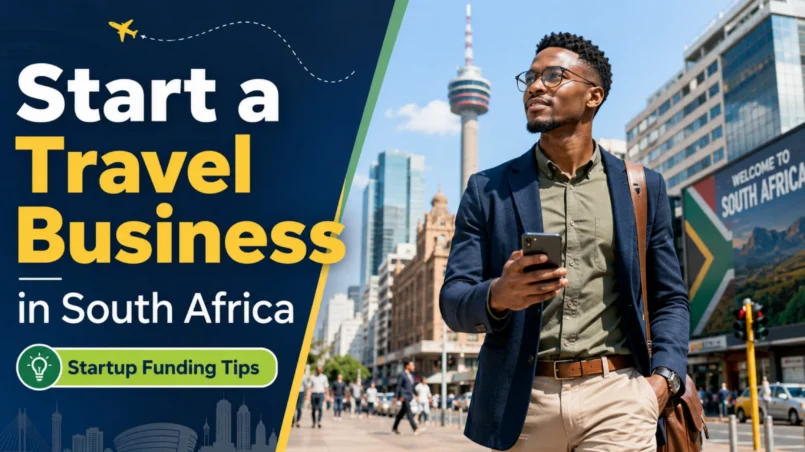
South Africa has one of the most exciting travel markets on the African continent, with opportunities in local tours, township experiences, guest houses, shuttle services, hiking trips, food tours, cultural travel, and digital travel content. However, turning a travel idea into a real business takes more than passion for places and people.
A tourism business needs planning, basic financial discipline, clear positioning, and a realistic view of startup costs. Before launching, new entrepreneurs should understand what they want to offer, who they want to serve, and how the business will make money.
Last Updated: July 2026
Why Travel Businesses Appeal to New Entrepreneurs

Travel is attractive because it connects lifestyle, culture, storytelling, and local opportunity. A person who knows a city, township, province, food scene, hiking route, or hidden destination can turn that knowledge into a business.
For example, a founder could start a local tour company, a shuttle service, a travel content brand, a guest house support service, or a niche travel planning business. In addition, South Africa has both domestic and international travellers who need trusted local information.
However, tourism can also be seasonal. Some areas get strong demand only during holidays, events, long weekends, or peak travel months. Therefore, a travel entrepreneur should plan beyond the excitement of launching.
Start With a Clear Travel Business Idea
A strong travel business starts with a specific offer. “Travel business” is too broad. A founder needs to know whether the business will focus on transport, accommodation, tours, experiences, content, bookings, photography, or travel planning.
For example, a shuttle company needs vehicles, insurance, driver planning, routes, and booking systems. A local tour company needs destination knowledge, safety planning, permits where relevant, and reliable customer communication.
Meanwhile, a travel content brand may need cameras, editing tools, website costs, social media consistency, and partnerships. Each model has different startup needs, so the first step is choosing the business type carefully.
Understand the Costs Before Launching
Many tourism ideas look cheap from the outside. However, costs can appear quickly once the founder starts preparing properly.
A new travel business may need branding, a website, booking tools, fuel, vehicle maintenance, uniforms, photography, insurance, permits, marketing, content production, and emergency cash flow. A guest house or accommodation-related business may also need furniture, cleaning supplies, security, repairs, and guest management systems.
Because of this, entrepreneurs should write down every expected cost before spending money. This helps them separate must-have expenses from nice-to-have extras.
Funding Can Help, But It Must Match the Business
Some travel businesses can start small with personal savings. Others may need outside funding, especially when vehicles, equipment, property improvements, or marketing are involved.
Many South Africans are building businesses around local travel, township tours, shuttle services, guest houses, hiking experiences, food tours, and travel content. Before launching, new founders should compare Startup Funding in South Africa so they understand the difference between loans, grants, youth programmes, crowdfunding, and investor-style support.
The key point is simple: funding should match the business model. A shuttle service may need vehicle finance. A travel app may need investor funding. A small tour business may begin with savings and reinvested revenue. A community tourism project may explore programme-based support, but approval and availability are never guaranteed.
Build Trust Before Chasing Big Growth
Tourism depends heavily on trust. Travellers want to feel safe, informed, and confident before booking. Therefore, a new business should build trust from the beginning.
This can include clear pricing, honest photos, visible contact details, simple booking steps, good communication, and transparent cancellation rules. In addition, reviews and testimonials can become powerful once the business starts serving customers.
A travel entrepreneur should avoid copying competitors without understanding the customer experience. A cheaper offer is not always better. In many cases, travellers will pay more for safety, reliability, convenience, and local knowledge.
Marketing Matters in Tourism
A tourism business can have a great service and still fail if people cannot find it. Marketing should start early, even before the official launch.
The business can use a website, Google Business Profile, TikTok, YouTube, Instagram, Facebook groups, local directories, travel blogs, and partnerships with accommodation providers. A founder can also create helpful content around destinations, travel tips, routes, local food, events, and safety advice.
However, marketing should not make promises the business cannot deliver. If a tour is still being tested, it should not be promoted as a premium experience. If a shuttle service covers only certain routes, the business should say so clearly.
Common Mistakes New Tourism Founders Make
One common mistake is starting too broadly. A new business that tries to serve every traveller may struggle to stand out. A focused offer is easier to market and easier to improve.
Another mistake is ignoring cash flow. Tourism income may not arrive evenly every month. For example, bookings may rise during holidays and slow down outside peak periods. As a result, the business needs a buffer for quiet months.
Some founders also spend too much on branding before validating demand. A beautiful logo cannot fix weak pricing, poor service, or unclear positioning. The business should first confirm that people are willing to pay for the offer.
Finally, entrepreneurs should avoid taking on debt without a repayment plan. Funding can support growth, but repayments can hurt the business if sales are slower than expected.
Simple Launch Checklist for a Travel Business
Before launching, a travel entrepreneur should have a clear offer, target customer, basic budget, pricing model, marketing plan, and operational checklist. The founder should also understand what documents, permits, insurance, or supplier agreements may be needed.
For a transport-based business, vehicle condition, safety, route planning, fuel costs, and driver availability are important. For a tour business, customer safety, timing, destination knowledge, and communication matter. For a content or booking brand, consistency, trust, and useful information are essential.
The business does not need to be perfect on day one. However, it must be organised enough to serve customers properly and avoid preventable mistakes.
Final Thoughts
South Africa gives travel entrepreneurs many possible entry points, from local experiences and shuttle services to guest houses, food tours, travel media, and digital booking ideas. Still, each opportunity needs planning, money discipline, and a clear customer focus.
The best travel businesses usually solve a real problem for travellers. They help people move safely, discover places, plan better trips, enjoy local culture, or feel more confident in unfamiliar areas.
For new founders, the smartest approach is to start specific, understand the costs, test demand, and grow carefully. With the right preparation, a travel idea can become a real business instead of remaining only a dream.