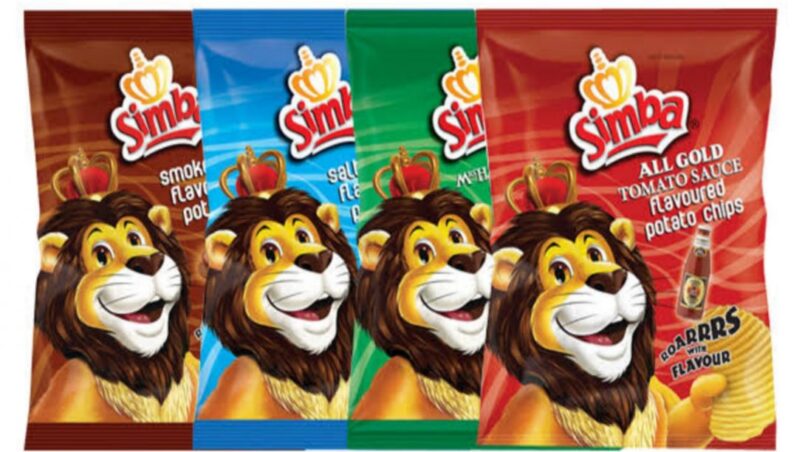
Simba is a snack food manufacturer mainly operating in South Africa. It was founded in 1957 by Leon Greyvensteyn. It is best known for manufacturing potato and maize-based snack foods.
The brand holds about 63% of the South African crisps market.
The Beginning
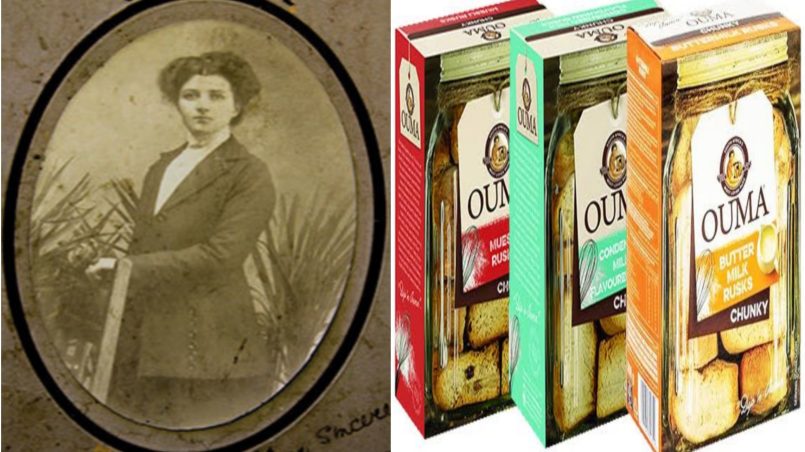
It goes without saying that Ouma Rusks is one the most recognized brand in South Africa, the brand was launched 82 years ago by the Greyvenstein family in the small town of Molteno, Eastern Cape.
For the most part, many great ideas are born out of necessity and the humble beginnings of Ouma Rusks is no different.
The story begins way back in 1939, a period of time when the world was faced with massive economic challenges. The Great Depression had completely wiped out the economy of rural towns.
Elizabeth Ann Greyvenstyn, popularly known as Ouma Nannie, attended a local church meeting alongside her friends, where means of earning money were discussed.
After the brainstorming session, their church Minister gave every attendee 30 British pennies, and challenged them to grow the money according to the suggestions they made during the meeting.
Ouma Greyvenstein then used the money to buy the necessary ingredients to make her old family-recipe Rusks she got from her husband’s cousin, Emmarentia. On the next church bazaars, Ouma’s first batch of rusks sold out within minutes and on top of that, more orders came pouring in.
Word spread out quickly and the demand for Ouma’s rusks continued to grow.
When Leon Greyvenstein, Ouma’s eldest son, saw the great potential her mother’s rusks had, he set off on a road trip in his Ford bakkie and loaded up the rusks to further investigate the possibility of a market up north.
When he got there, the rusks sold out as well and he immediately sensed the potential for good business. Upon his return to Molteno, he started by converting the modest farm barn to a rudimentary rusk factory.
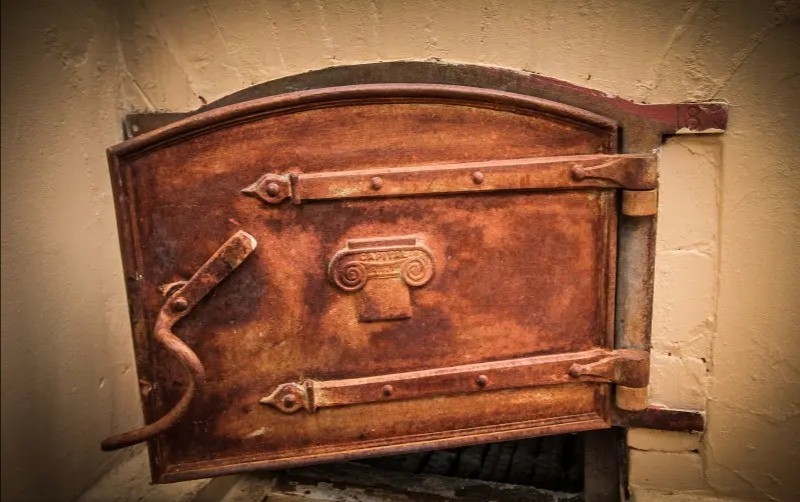
He achieved this by using an old car engine for a rusk dryer and also built a couple of clay ovens.
When the business was officially launched, the rusks were sold under the name of Uitspan, which was later changed to Outspan, and as the rusk empire grew much stronger in South Africa, it was rebranded to Ouma Rusks as you know it today.
Simba

In 1955, after successfully creating and marketing Ouma Rusks, the Greyvenstein family wanted to diversify their business interests, and they decided to seek out new opportunities.
Leon Greyvenstein traveled overseas and met a man called Herman Lay, the founder of Lay’s potato chips, one of the largest chip producers in the world. The two men struck up a friendly relationship, and Leon travelled to the US where he saw a potato chip factory in action.
He brought the same process back to South Africa and started producing his own brand of chips called Simba.
1956 saw the introduction of the Simba ‘Chippie,’ and then to Simba the Lion, who came along with the catchy phrase “Roarrrs with flavour.”
The business continued to expand, and snacks and other food products were added as well, including roasted peanuts and Taystee Wheat breakfast cereal.

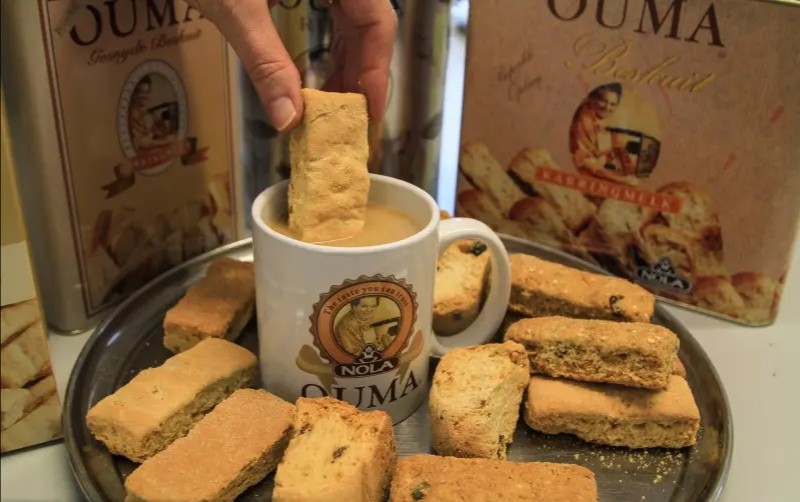
During the 1970s, the Simba brand was sold to Fedfood, and in 1994, Ouma Rusks became part of the Nola brand and a range of new flavours, including muesli and buttermilk were introduced.
Nola eventually became a division of Foodcorp – Foodcorp was created in 1992 as a result of a merger between food groups, Kanhym and Fedfood.
PepsiCo

In 1995, PepsiCo Foods International and Foodcorp, announced that PepsiCo would invest $55 million in Simba, Foodcorp’s snacks subsidiary.
With this agreement at hand, PepsiCo became an equal partner in Simba. And 1999, PepsiCo further upped its stake to wholly own Simba as a subsidiary, and a success story in its own right.
From the humble beginnings of 30 British pennies Ouma Rusks and Simba have emerged and grew into one of Mzansi’s most popular food brands.
The Greyvenstein family have shown that no company is successful without hardwork and an effective management to stimulate the growth of the business.
These elements are critical components behind the success story of Ouma Rusks and Simba.