
South Africa’s retail sector covers 24 million square meters, with nearly 2,000 shopping centers shaping urban life and commerce. The Top 10 Largest Malls in South Africa stand as economic powerhouses, drawing millions with their sprawling retail, diverse dining, and vibrant entertainment. From Johannesburg’s massive complexes to Cape Town’s coastal hubs, these malls redefine shopping. Each offers unique experiences—luxury boutiques, family-friendly activities, or cutting-edge entertainment—while anchoring South Africa’s economic and social fabric. This article explores these retail titans, ranked by gross leasable area (GLA), diving into their histories, tenant mixes, and impacts on local communities.
The Role of Malls in South Africa’s Economy
Malls in South Africa are more than retail spaces. They drive economies, employ thousands, and reflect cultural shifts. Gauteng dominates with over 10.8 million square meters of retail space, followed by KwaZulu-Natal and the Western Cape. These centers host global brands like Zara and local chains like Checkers, catering to diverse consumer needs. Challenges persist, though. Online shopping surged 66% from 2020 to 2023, pressuring physical retail. Vacancies spiked in 2024, driven by inflation and changing consumer habits. Despite this, malls adapt with entertainment and experiential offerings to sustain foot traffic.
South Africa’s retail vacancy rate reached 5.7% in 2024, with larger malls like Fourways reporting up to 25% empty stores. Foot traffic, however, rebounded to pre-COVID levels by 2023, with Mall of Africa logging 17,000 daily vehicles. Malls remain vital, supporting jobs and urban development. Gauteng’s retail sector alone employs over 200,000 workers, while coastal malls like Gateway boost tourism. Shoppers encounter diverse offerings, from luxury to budget, though rising costs due to inflation impact affordability.
Top 10 Largest Malls in South Africa
1. Fourways Mall – Johannesburg
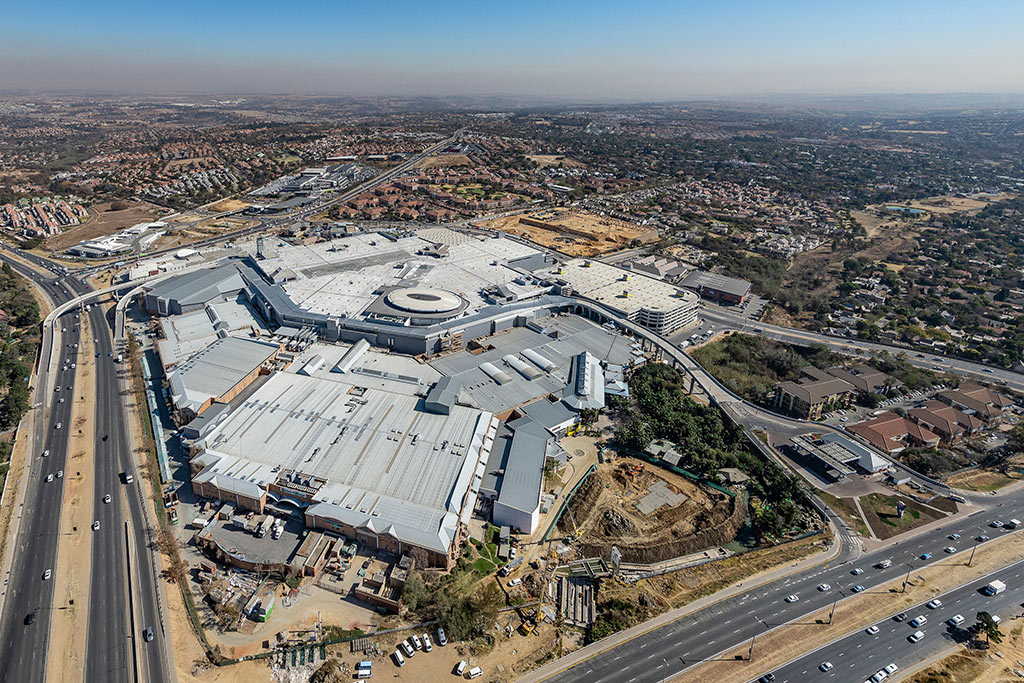
- GLA: 178,202 sqm
- Stores: Over 400
- Parking Bays: 8,000
- Location: Sandton, Johannesburg
Fourways Mall, South Africa’s largest, anchors Johannesburg’s retail landscape. Its 2019 expansion, a R3 billion project, added two levels, an open-air arena, and 60,000 sqm, bringing its GLA to 178,202 sqm. Over 400 stores span fashion, groceries, and tech, with anchor tenants like Checkers Hyper, Woolworths, and Zara. Entertainment includes Ster-Kinekor cinemas, a skate park, and seasonal events like outdoor concerts. The mall’s history began in 1994, growing alongside Sandton’s economic boom. In 2023, it faced challenges with 120 vacant stores, a 25% vacancy rate, due to post-COVID retail shifts. A 2024 court ruling awarded R1 billion in insurance payouts for pandemic losses, bolstering recovery prospects.
The tenant mix caters to affluent shoppers, with 70% in the LSM 10 demographic. International brands like Cotton On and H&M complement local chains like Game. Fourways employs over 5,000 workers and generates millions in revenue for Sandton’s municipality. Its 8,000 parking bays ensure accessibility, though peak-hour traffic congestion frustrates visitors. The mall’s open-air arena hosts concerts and markets, drawing families and young professionals. Shoppers enjoy diverse dining, from fast food to upscale restaurants, with views of Johannesburg’s skyline enhancing the experience.
2. Menlyn Park Shopping Centre – Pretoria
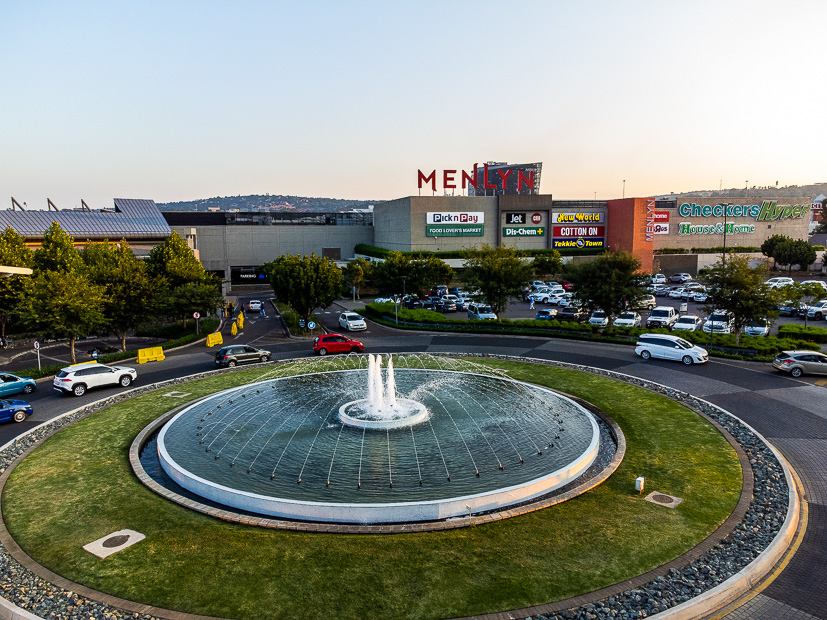
- GLA: 177,000 sqm
- Stores: 500
- Parking Bays: 8,250
- Location: Tshwane, Pretoria
Menlyn Park, Pretoria’s retail titan, trails Fourways by just 1,202 sqm. Opened in 1979, its 2017 redevelopment expanded its GLA to 177,000 sqm, creating a 500-store powerhouse. The mall’s modern design, blending open spaces and sleek architecture, emphasizes functionality. Tenants include H&M, Samsung, and Checkers Hyper, with dining options from Spur to fine-dining venues. Entertainment features a 4DX cinema, rooftop drive-in, and kid-friendly play zones. With 16 parking entrances and 8,250 bays, it serves 2 million monthly visitors.
Menlyn contributes R2 billion annually to Tshwane’s economy and employs 4,000 workers. Its eastern Pretoria location taps a growing middle-class demographic, with 60% of shoppers in the LSM 8-10 range. Occupancy stood at 92% in 2024, reflecting strong management by Pareto Limited. The mall’s history mirrors Pretoria’s urban growth, evolving from a modest center to a regional giant. Shoppers navigate a diverse tenant mix, from budget-friendly Game to premium Apple, while families enjoy the cinema and play areas. The rooftop drive-in, a nostalgic touch, draws crowds for weekend screenings.
3. Gateway Theatre of Shopping – Durban
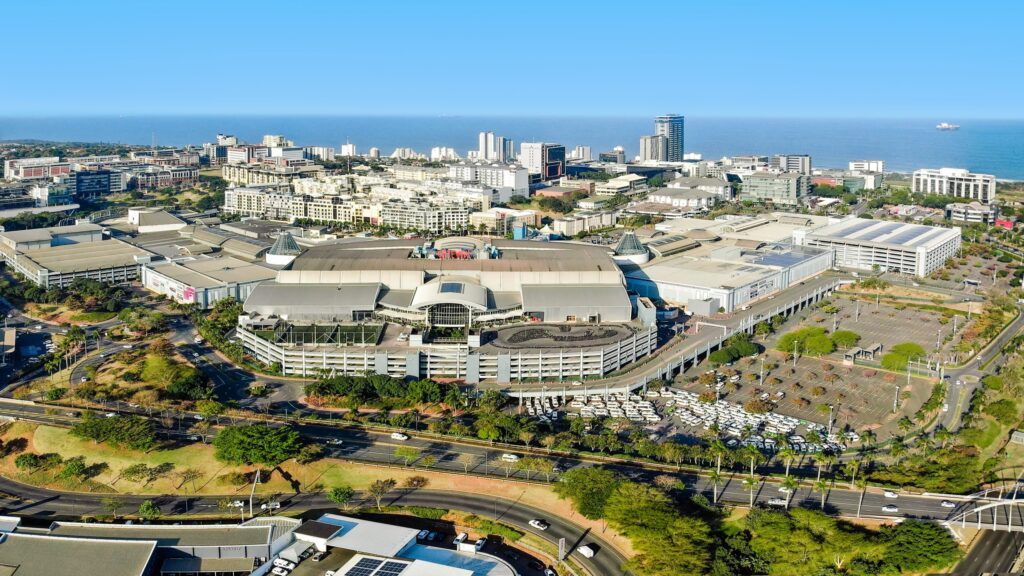
- GLA: 176,400 sqm
- Stores: 460
- Parking Bays: 12,000
- Location: Umhlanga, KwaZulu-Natal
Gateway Theatre of Shopping, Durban’s retail jewel, opened in 2001 and remains a global contender. Its 176,400 sqm houses 460 stores and 70 eateries, from Nando’s to Prada. The open-air design, infused with coastal breezes, creates a relaxed vibe. Entertainment stands out—an IMAX cinema, wave pool, indoor skydiving, and climbing wall cater to families and thrill-seekers. With 12,000 parking bays, Gateway serves 2 million monthly visitors, bolstered by nearby hotels that draw tourists.
Gateway employs 3,500 workers and generates R1.5 billion annually for Umhlanga’s economy. Its 90% occupancy rate in 2024 reflects resilience despite online retail pressures. The LSM 7-10 demographic ensures a broad customer base, with 40% of shoppers being tourists. The mall’s coastal location enhances its appeal, with dining options spanning vegan, local, and international cuisines. Shoppers explore fashion from Forever 21 to Gucci, while families flock to the wave pool and arcade. Gateway’s entertainment focus and tourism draw make it a vibrant hub.
4. Sandton City – Johannesburg
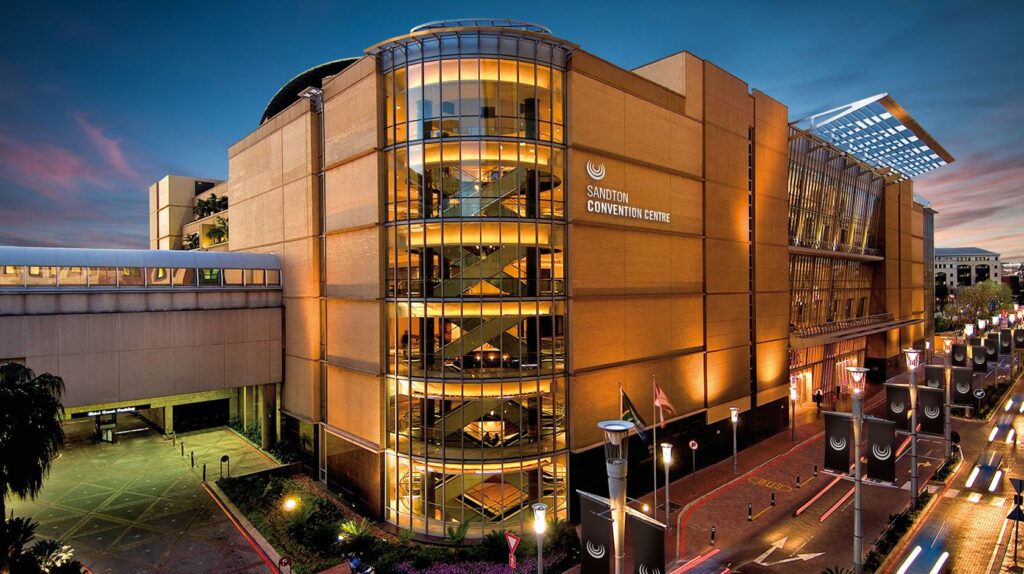
- GLA: 147,941 sqm
- Stores: Over 300
- Parking Bays: 10,000
- Location: Sandton, Johannesburg
Sandton City, in Africa’s wealthiest square mile, is a luxury beacon. Its 2024 redevelopment expanded its 147,941 sqm, adding premium tenants like Chanel and Dior to the exclusive Diamond Walk. Over 300 stores cater to high-income shoppers, with 37% earning over R20,000 monthly. The 21-story design blends fine dining, art galleries, and retail, creating an upscale experience. Key tenants include Woolworths, Apple, and Gucci, with dining from tashas to international chains.
Sandton City employs 3,000 workers and contributes R1.8 billion to Sandton’s economy. Its 95% occupancy rate in 2024 reflects strong demand, driven by an affluent LSM 10+ demographic. Since opening in 1973, the mall has adapted to Sandton’s growth, with recent upgrades enhancing its global appeal. Shoppers browse luxury fashion or relax in art-filled lounges, while corporate visitors frequent fine-dining venues. The mall’s 10,000 parking bays ensure accessibility, though weekend crowds test patience. Sandton City’s elegance and scale set it apart.
5. Canal Walk – Cape Town
- GLA: 141,000 sqm
- Stores: Over 400
- Parking Bays: 8,000
- Location: Century City, Cape Town
Canal Walk, Cape Town’s largest mall, opened in 2000 with a circular design spanning 141,000 sqm. Its 2022 expansion added 18,000 sqm, hosting over 400 stores, from H&M to local designers. Entertainment includes a Nu Metro cinema with 4K screens and a diverse food court. The coastal location draws tourists, while the LSM 6-10 demographic reflects South Africa’s broad consumer base. With 8,000 parking bays, the mall serves 1.5 million monthly visitors.
Canal Walk generates R1.2 billion annually and employs 2,800 workers. Its 93% occupancy rate in 2024 shows resilience, though inflation impacts lower-income shoppers. The mall’s history reflects Cape Town’s urban expansion, evolving into a tourist-friendly hub. Shoppers explore budget fashion at Pep or premium brands like Nike, while families enjoy the cinema and play areas. The food court, with options from sushi to bunny chow, caters to diverse tastes. Canal Walk’s coastal charm and scale make it a standout.
6. Mall of Africa – Midrand

- GLA: 131,038 sqm
- Stores: Over 300
- Parking Bays: 6,500
- Location: Waterfall City, Midrand
Mall of Africa, opened in 2016, is a design marvel inspired by Africa’s landscapes. Its 131,038 sqm and 300 stores draw 17,000 daily vehicles, making it South Africa’s busiest mall by visits. Tenants include Hugo Boss, IMAX, and Pick n Pay Hyper, with dining from local braai spots to international chains. The 2024 expansion added 4,000 sqm, enhancing luxury and entertainment offerings. Indoor gardens and open spaces create a unique atmosphere.
The mall employs 2,500 workers and contributes R1 billion to Midrand’s economy. Its 88% occupancy rate in 2024 reflects minor vacancy challenges, but its prime Gauteng location ensures growth. The LSM 8-10 demographic dominates, with 50% of shoppers being professionals. Shoppers browse high-end fashion or relax in garden courtyards, while families enjoy IMAX screenings and arcades. The mall’s modern design and traffic make it a regional leader.
7. The Pavilion – Durban
- GLA: 122,768 sqm
- Stores: 200
- Parking Bays: 5,319
- Location: Westville, Durban
The Pavilion, opened in 1993, blends European elegance with Durban’s coastal charm. Its 2024 redevelopment boosted its GLA to 122,768 sqm, hosting 200 stores. Tenants include Checkers, Game, and local boutiques, with dining from fast-food courts to bakeries. The coastal proximity draws locals, while 5,319 parking bays serve 1 million monthly visitors. The mall’s relaxed vibe contrasts with larger giants.
The Pavilion generates R800 million annually and employs 1,800 workers. Its 90% occupancy rate in 2024 reflects stability, though its smaller size limits scale. The LSM 7-9 demographic ensures a broad customer base. Shoppers explore budget-friendly fashion or enjoy fresh pastries, while families visit the food court for quick meals. The mall’s history reflects Durban’s suburban growth, maintaining a community focus.
8. Eastgate Shopping Centre – Johannesburg
- GLA: 118,732 sqm
- Stores: Over 300
- Parking Bays: 5,000
- Location: Bedfordview, Johannesburg
Eastgate, opened in 1979, spans 118,732 sqm with over 300 stores. Its Call & Collect service, allowing rooftop pickups, streamlines shopping. Entertainment includes cinemas and a food court, while free WiFi enhances the experience. The eastern suburb location draws families and professionals, with 1.2 million monthly visitors. Tenants range from Edgars to Samsung.
Eastgate employs 2,000 workers and generates R900 million annually. Its 92% occupancy rate in 2024 shows strength, with a balanced LSM 7-10 demographic. The mall’s history reflects Johannesburg’s urban expansion, adapting to suburban needs. Shoppers use Call & Collect for convenience or relax in the food court, while families enjoy cinema outings. Eastgate’s accessibility and services make it a local favorite.
9. Centurion Mall – Centurion
- GLA: 112,800 sqm
- Stores: 260
- Parking Bays: 4,000
- Location: Centurion, Gauteng
Centurion Mall, an open-air hub, spans 112,800 sqm with 260 stores. Its layout emphasizes accessibility, with dining, cinemas, and arcades drawing families. The Gauteng location, between Pretoria and Johannesburg, serves 1 million monthly visitors. Tenants include Woolworths, Spur, and local retailers. The open-air design creates a relaxed atmosphere.
The mall generates R700 million annually and employs 1,500 workers. Its 91% occupancy rate in 2024 reflects stability, with an LSM 7-9 demographic. Centurion’s history traces to the 1980s, growing with Gauteng’s suburban boom. Shoppers enjoy family-friendly dining or arcade games, while the open-air layout offers a breezy experience. The mall’s manageable size contrasts with larger complexes.
10. Cresta Shopping Centre – Johannesburg
- GLA: 114,545 sqm
- Stores: 260
- Parking Bays: 4,500
- Location: Randburg, Johannesburg
Cresta, opened in 1977, spans 114,545 sqm with 260 stores. Its Crest Aquarium, a quirky attraction, draws families, while tenants like Woolworths and Edgars anchor retail. The relaxed vibe and manageable size attract 900,000 monthly visitors, primarily LSM 7-9 shoppers. Dining ranges from fast food to local cafes.
Cresta generates R600 million annually and employs 1,400 workers. Its 90% occupancy rate in 2024 reflects stability, with steady traffic in Randburg’s suburban hub. The mall’s history shows resilience, adapting to local needs. Shoppers visit the aquarium for free family fun or browse budget fashion, while the food court offers quick meals. Cresta’s community focus sets it apart.
Retail Challenges and Trends
South Africa’s malls face inflation, a 66% surge in online retail from 2020 to 2023, and vacancies—Fourways’ 120 empty stores underscore the issue. Foot traffic recovered by 2023, with Mall of Africa leading visits at 17,000 daily vehicles. Malls pivot to experiential offerings, like Gateway’s indoor skydiving or Menlyn’s 4DX cinema, to stay relevant. The retail sector employs over 500,000 workers nationwide, with Gauteng leading. Tourism-driven malls, like Canal Walk, benefit from South Africa’s 8.5 million annual visitors. Inflation, however, raises costs, impacting lower-income shoppers.
The future hinges on adaptation. Malls integrate digital tools, like Eastgate’s Call & Collect, to blend physical and online retail. Entertainment, from IMAX to arcades, draws families, while luxury hubs like Sandton City target affluent consumers. Sustainability emerges as a trend, with malls adopting solar power and recycling programs. Shoppers face higher prices but benefit from diverse experiences, from budget dining to premium fashion.
Freedom Adventure Park in Canal Walk: A Business Goldmine
The Future of South African Retail
According to Entrepreneur Hub SA, the Top 10 Largest Malls in South Africa, from Fourways’ vast complex to Cresta’s community charm, are economic and cultural pillars. They employ thousands, generate billions, and adapt to challenges like online retail and inflation. These malls offer world-class experiences—luxury boutiques, vibrant entertainment, and diverse dining. From Sandton City’s elegance to Gateway’s coastal vibe, each shapes urban life. As South Africa’s retail sector evolves, these giants will lead, blending scale, innovation, and community focus to redefine shopping.
Get the latest entrepreneurial success stories, expert tips, and exclusive updates delivered straight to your inbox — Sign up for Entrepreneur Hub SA’s newsletter today!