
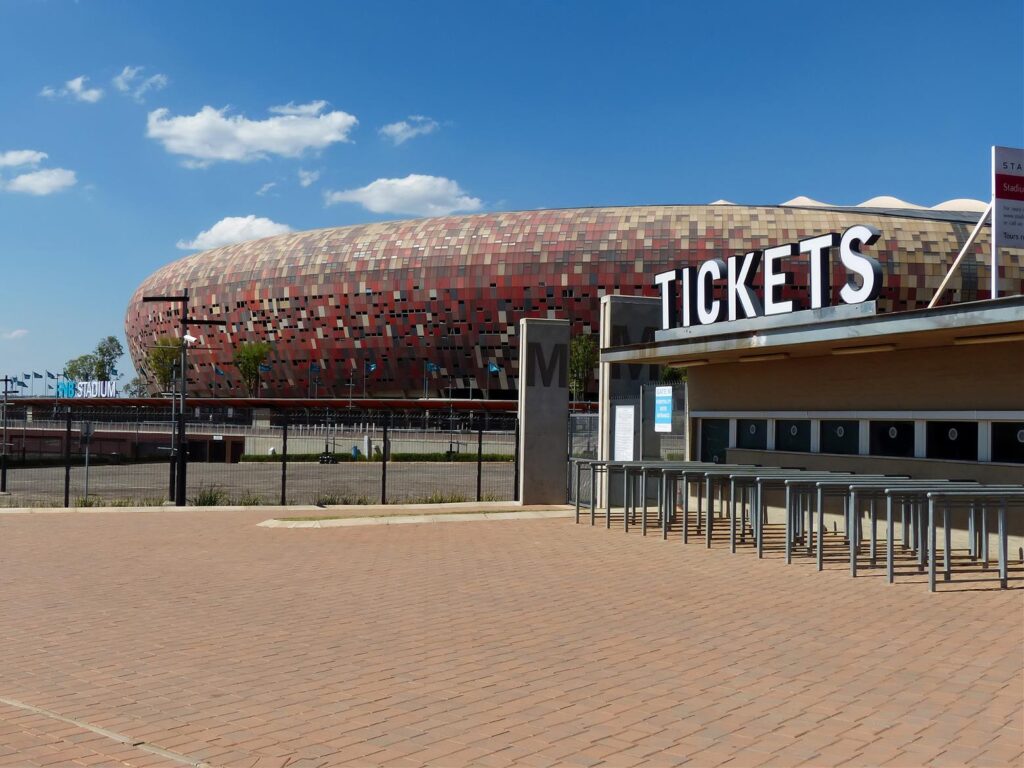
The Largest Stadium in South Africa, FNB Stadium, holds 94,736 spectators and stands as Africa’s biggest sporting arena. Known as Soccer City, it hosted the 2010 FIFA World Cup final, where Spain’s Andrés Iniesta sealed victory. Located in Nasrec, near Johannesburg’s vibrant Soweto, this venue isn’t just a sports hub. It’s a cultural landmark and a business powerhouse. From hosting global concerts to fueling tourism, FNB Stadium offers unmatched opportunities for event planners, marketers, and tourism operators. This guide explores its history, business applications, and actionable strategies to tap its potential.
Largest Stadium in South Africa: FNB Stadium Overview

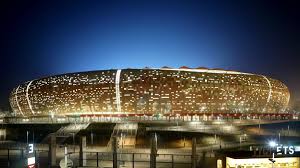
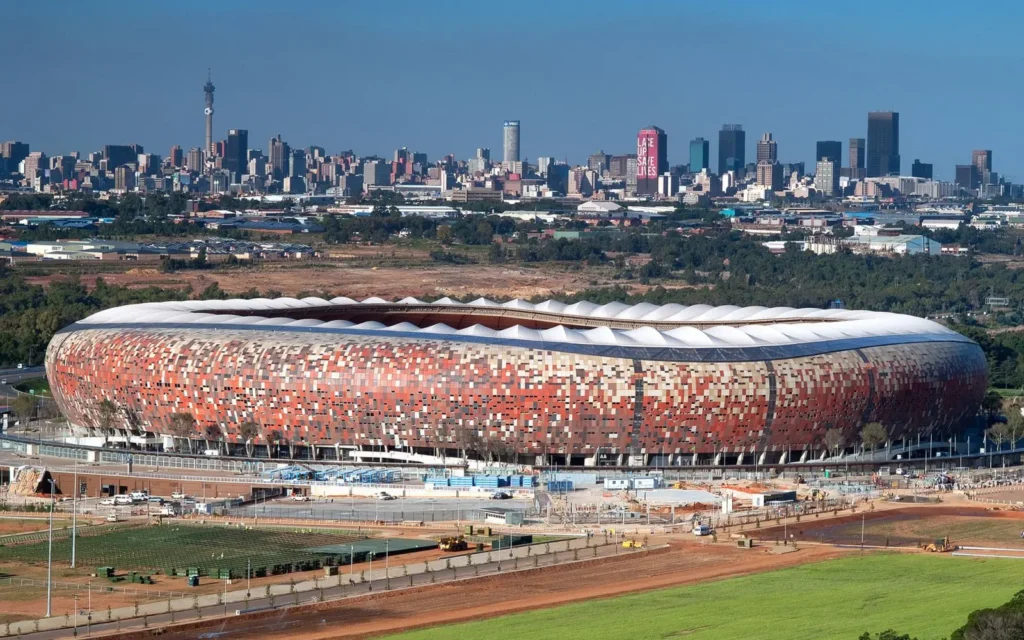
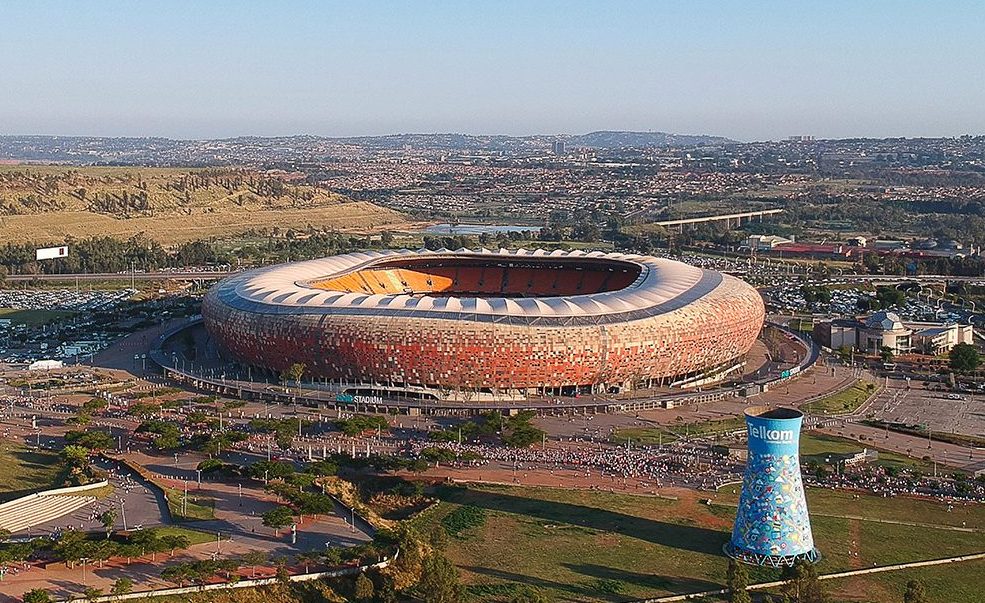
FNB Stadium, often called The Calabash for its pot-like design, dominates Johannesburg’s skyline. Built in 1987 with 80,000 seats, it underwent a R3.3 billion ($460 million) renovation for the 2010 World Cup, boosting capacity to 94,736 [Source: WorldAtlas]. Managed by Stadium Management South Africa (SMSA), it hosts Kaizer Chiefs F.C., Bafana Bafana matches, and global events like U2 and Chris Brown concerts. Its strategic location near highways and Soweto ensures accessibility, making it a prime venue for large-scale gatherings.
History and Cultural Significance
Construction began in 1986, with the stadium opening in 1989. Its first defining moment came in 1990, when Nelson Mandela addressed 120,000 people days after his release from prison. The venue also hosted funerals for anti-apartheid icons Chris Hani and Oliver Tambo. In 2010, it welcomed the world for the FIFA World Cup, hosting the opening match and final. The 2013 AFCON final drew 85,000 fans, breaking attendance records [Source: footballgroundguide.com]. These moments cement FNB Stadium as a symbol of unity and resilience.
Business Opportunities: Events and Marketing
FNB Stadium thrives on versatility. Event planners can host football matches, rugby tests, or concerts, with SMSA streamlining bookings. For marketers, the Soweto Derby between Kaizer Chiefs and Orlando Pirates offers prime advertising space. Billboards or halftime ads cost around R200,000, reaching 94,000 eyeballs [Source: Entrepreneur Hub SA]. Businesses can also sponsor suites for corporate hospitality, enhancing client relationships. The key? Plan early. High-demand events book months in advance. Contact SMSA via their website for availability.
Tourism Strategies Around FNB Stadium
Tourism operators can capitalize on FNB Stadium’s allure. Create packages combining match tickets, Soweto tours, and nearby accommodation like ANEW Hotel Roodepoort. Highlight the stadium’s cultural significance—its Mandela connection resonates with international visitors. Offer guided tours showcasing The Calabash’s design, including the iconic arch. Data shows Johannesburg welcomed 4.5 million tourists in 2023, many drawn to sports and history [Source: Statista]. Bundle stadium visits with Soweto’s Vilakazi Street for a full-day experience.
Operational Tips for Hosting Events
Hosting at FNB Stadium requires precision. First, secure permits through SMSA, detailing crowd size and logistics. Budget for staffing—security and catering are critical for 50,000+ attendees. Use digital ticketing platforms like Ticketmaster to streamline entry. For concerts, sound checks must account for the open-air design. A recent Chris Brown show in 2024 sold out twice, proving demand but also logistical complexity [Source: Entrepreneur Hub SA]. Test Wi-Fi and lighting weeks in advance to avoid hiccups.
Comparing South Africa’s Top Stadiums
FNB Stadium leads, but others compete. Ellis Park Stadium (62,567 seats) in Johannesburg excels for rugby, hosting the 1995 Rugby World Cup final. Moses Mabhida Stadium in Durban (62,760 seats) offers scenic views and bungee jumping. Cape Town Stadium (55,000 seats) blends sports with Table Mountain backdrops. Here’s a quick comparison:
| Stadium | Capacity | Location | Key Features |
|---|---|---|---|
| FNB Stadium | 94,736 | Johannesburg | FIFA World Cup, concerts |
| Ellis Park | 62,567 | Johannesburg | Rugby heritage, 1995 World Cup |
| Moses Mabhida | 62,760 | Durban | Iconic arch, tourism activities |
| Cape Town Stadium | 55,000 | Cape Town | Scenic views, multi-sport events |
Each venue suits specific events, but FNB Stadium’s scale and history make it unmatched.
Future Prospects and Developments
FNB Stadium’s future looks bright. SMSA plans tech upgrades, like enhanced Wi-Fi and digital scoreboards, by 2026. Rumors of a new Pretoria stadium, mentioned by President Ramaphosa in 2023, could shift dynamics, but FNB’s dominance will persist [Source: businesstech.co.za]. Businesses should monitor SMSA’s event calendar for emerging opportunities, especially with global acts eyeing South Africa post-2025.
Freedom Adventure Park in Canal Walk: A Business Goldmine
Conclusion: Largest Stadium in South Africa
According to Entrepreneur Hub SA, the Largest Stadium in South Africa, FNB Stadium, is more than a venue. It’s a catalyst for business growth, cultural connection, and tourism. From hosting world-class events to driving marketing campaigns, its potential is vast. Professionals can leverage its scale by planning strategically, whether through event sponsorships or curated tourism experiences. With Johannesburg’s global appeal and the stadium’s iconic status, the opportunities are endless. Start exploring today—FNB Stadium awaits.