

Top 10 Largest Townships in South Africa shapes the nation’s urban core, housing millions and driving billions in trade. Over 20 million South Africans—half the urban population—live in townships in 2025, and the largest among them are economic and cultural giants. Soweto’s retail generates billions annually. Tembisa’s housing demand soars. These aren’t just residential zones; they’re engines of growth and resilience, born from a painful history. This article dives into the top 10 largest townships, offering hard data on population, size, and economic trends, plus actionable insights for professionals. Entrepreneurs can tap into retail markets. Urban planners can address infrastructure gaps. Policymakers can drive equitable development. Expect raw numbers, historical context, and practical strategies to engage with these dynamic spaces.
Understanding South Africa’s Townships
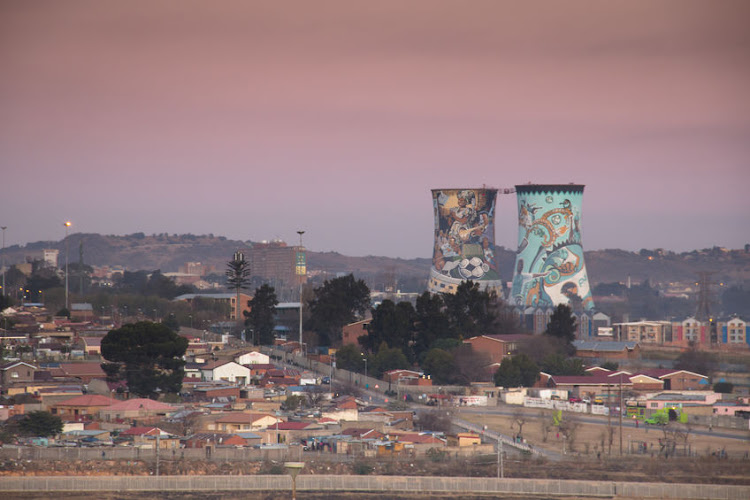
Townships emerged from apartheid’s Group Areas Act of 1950, which segregated Black, Coloured, and Indian populations into underdeveloped urban areas on city outskirts. Designed to isolate non-whites while supplying labor to white economies, townships like Soweto and Katlehong were marked by tin shacks, dirt roads, and systemic neglect. Post-1994, the democratic government transformed the landscape. Formal housing surged—65.1% of township households lived in formal dwellings in 1996, rising to 79.2% by 2016. Informal shacks dropped from 16.2% to 13%. Today, “township” carries no racial connotations in legal terms, referring to subdivided urban land. Yet, socio-economic challenges persist: 38% of township working-age residents face unemployment, and 60% of South Africa’s jobless live here.
Gauteng dominates township populations, with 8.9 million residents in 2019, followed by the Western Cape (3.2 million) and KwaZulu-Natal. These provinces host most of the top 10 largest townships, where commerce thrives despite hardship. Soweto’s malls pump billions. Khayelitsha’s markets buzz. Urbanization fuels growth—South Africa’s urban population hit 66.59% in 2025, with Johannesburg adding 10,000 people monthly. Townships absorb this influx, making them critical to the nation’s future.
Top 10 Largest Townships in South Africa: The 2025 Lineup
Below, the top 10 largest townships in South Africa, ranked by population based on 2011 census data and 2025 estimates, are explored. Each section provides population, area, history, economy, infrastructure, and actionable opportunities for professionals.
1. Soweto
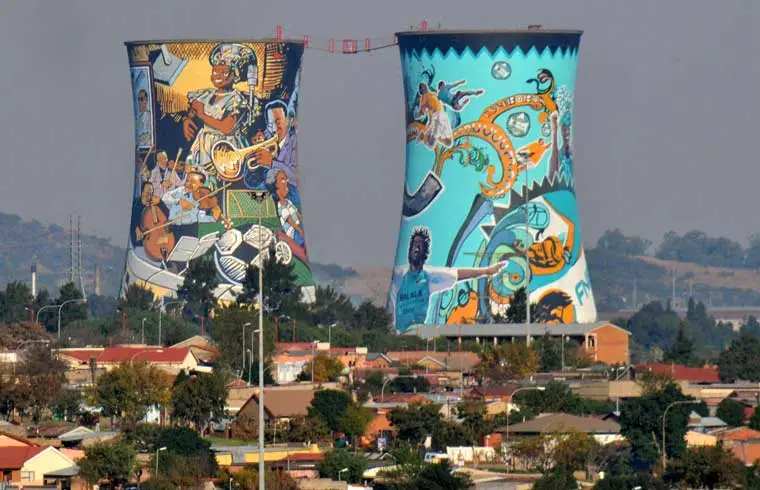
- Population: 1,271,628 (2011); ~2 million (2025 estimate)
- Area: 200.03 km²
- Location: Southwest of Johannesburg, Gauteng
Soweto, short for South Western Townships, is South Africa’s largest township. Established under apartheid to segregate Black workers, it became a global symbol of resistance during the 1976 Soweto Uprising, when students protested Afrikaans education. Covering 200 km², Soweto houses over 2 million people in 2025, driven by Johannesburg’s monthly influx of 10,000 residents. Formal housing reached 79% by 2016, with areas like Diepkloof boasting middle-class homes. Vilakazi Street, once home to Nelson Mandela, draws tourists. Jabulani Mall and Maponya Mall anchor a retail economy generating billions annually. Unemployment lingers, but Soweto’s energy is unmatched.
Economic Insights: Retail is king. Jabulani Mall’s foot traffic rivals urban centers. Entrepreneurs can invest in FMCG outlets—73,795 exist across 318 townships, with Soweto leading. Informal markets also thrive, selling fresh produce and crafts. Actionable Opportunities: Retail investors should target Soweto’s growing consumer base. Urban planners can prioritize transport links to reduce commuting costs. Policymakers should fund skills training to cut unemployment.
2. Tembisa
- Population: 463,109 (2011); ~600,000 (2025 estimate)
- Area: 42.80 km²
- Location: North of Kempton Park, Gauteng
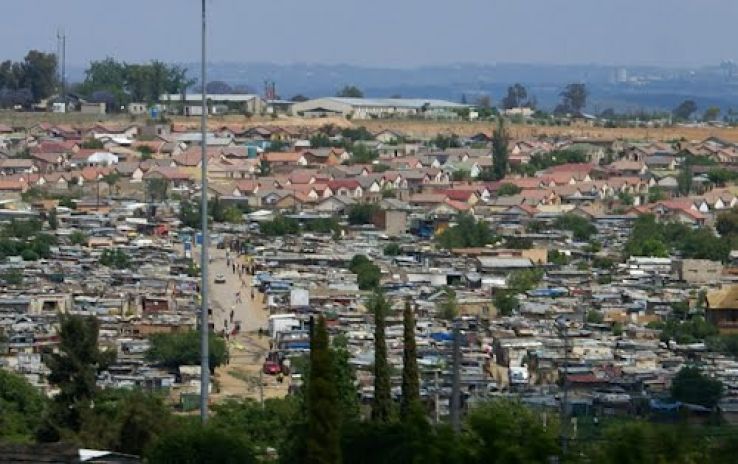
Tembisa, meaning “promise” in Nguni, is Gauteng’s second-largest township. Founded in the 1950s for Black residents, it spans 42.8 km² with a population nearing 600,000. Ivory Park, a vibrant sub-section, adds cultural significance. Tembisa’s housing market is booming—formal dwellings dominate, but informal settlements persist. Its population density (11,000/km²) drives demand for retail and services. The township’s economy leans on informal trade, with spaza shops and street vendors thriving. Infrastructure lags, with water and sanitation issues in informal areas.
Economic Insights: Housing demand outpaces supply, creating opportunities for developers. Informal retail is resilient, with 150,857 FMCG outlets mapped nationwide in 2019, many in Tembisa. Actionable Opportunities: Real estate firms can develop affordable housing. Retail chains should explore partnerships with spaza shops. Local government can invest in sanitation upgrades to improve living conditions.
3. Katlehong
- Population: 407,811 (2011); ~500,000 (2025 estimate)
- Area: 55.36 km²
- Location: 35 km east of Johannesburg, Gauteng
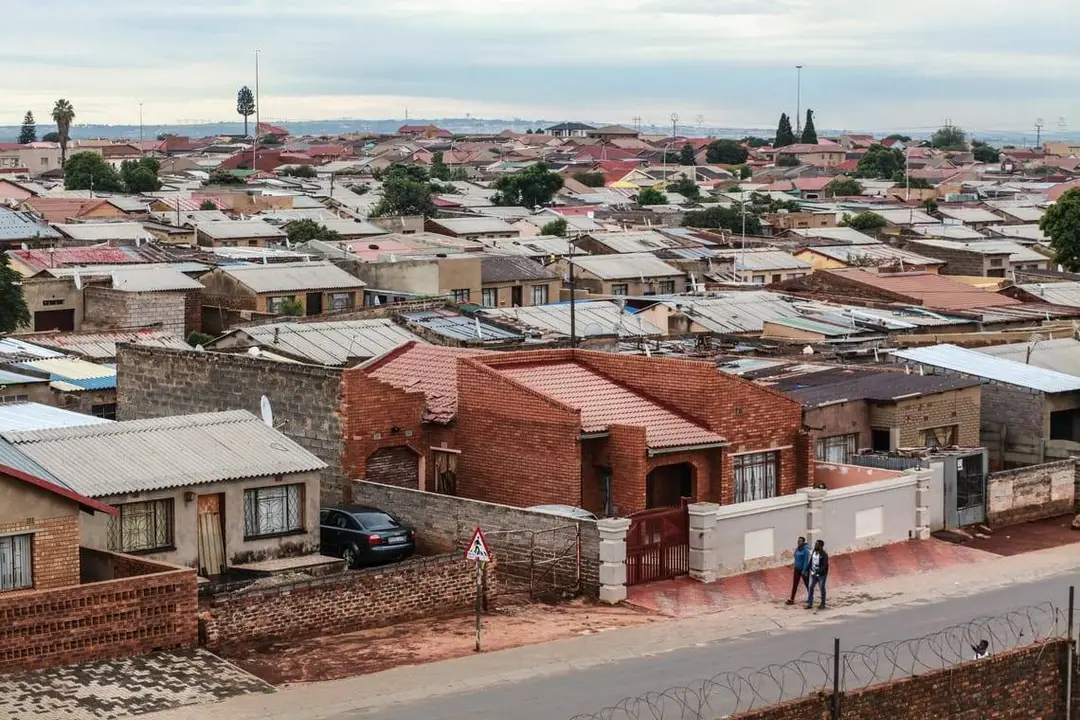
Katlehong, established in 1945, is a high-density township in Ekurhuleni. With six informal settlements in its southern half, it houses around 500,000 people. Overcrowding is rife—residents rent out shacks for extra income. Katlehong’s markets pulse with trade, from fresh produce to second-hand goods. Formal housing has grown, but infrastructure strains under population pressure. The township’s cultural richness, tied to its anti-apartheid history, fosters community resilience.
Economic Insights: Informal markets are economic lifelines. Small enterprises dominate, supported by Gauteng’s 4.03 million formal homes and 878,246 informal dwellings. Actionable Opportunities: Entrepreneurs can supply informal traders with affordable goods. Urban planners should prioritize upgrading informal settlements. Community programs can leverage cultural heritage for tourism.
4. Umlazi
- Population: 404,811 (2011); ~500,000 (2025 estimate)
- Area: 47.46 km²
- Location: South of Durban, KwaZulu-Natal
Umlazi, KwaZulu-Natal’s largest township, is unique for its own vehicle registration plate. Divided into 26 sections (A-Z, excluding I, O, X), it houses around 500,000 people. Established during apartheid, Umlazi boasts police stations, clinics, and private investments in every section. Its markets and cultural events, like umqombothi beer festivals, drive economic activity. Formal housing dominates, but unemployment remains high.
Economic Insights: Umlazi’s dense population supports vibrant markets. KwaZulu-Natal’s 2.09 million formal homes and 245,167 informal dwellings fuel retail growth. Actionable Opportunities: Retail brands can establish outlets in Umlazi’s commercial hubs. Government can fund vocational training to boost employment. Cultural tourism, centered on events, has untapped potential.
5. Soshanguve
- Population: 403,162 (2011); ~450,000 (2025 estimate)
- Area: 126.77 km²
- Location: 30 km north of Pretoria, Gauteng
Soshanguve, an acronym for Sotho, Shangaan, Nguni, and Venda, reflects its multi-ethnic makeup. Spanning 126.77 km², it houses around 450,000 people. Established during apartheid, it blends formal housing with informal settlements. Tshwane North College enhances its educational profile, while shopping centers and clinics support self-sufficiency. Unemployment and crime persist, but community initiatives foster hope.
Economic Insights: Soshanguve’s size and diversity drive retail and service demand. Gauteng’s economic dominance supports growth in formal and informal sectors. Actionable Opportunities: Education providers can expand vocational programs. Retailers should target shopping centers for expansion. Community safety initiatives need funding to reduce crime.
6. Khayelitsha
- Population: 391,749 (2011); ~450,000 (2025 estimate)
- Area: 38.71 km²
- Location: Cape Flats, Western Cape
Khayelitsha, meaning “Our New Home” in Xhosa, is the Western Cape’s largest township and one of South Africa’s fastest-growing. With 450,000 residents across 38.71 km², it faces housing shortages and high unemployment. Grassroots efforts, like cultural events and cooperatives, drive community development. Formal housing is expanding, but informal settlements dominate. Markets and small businesses thrive, supported by the Western Cape’s 1.59 million formal homes.
Economic Insights: Khayelitsha’s growth fuels retail and service opportunities. Its 10,000/km² density supports vibrant informal trade. Actionable Opportunities: Social enterprises can support cooperatives. Developers should focus on affordable housing. Tourism operators can promote cultural experiences with local guides.
7. Mamelodi
- Population: 334,577 (2011); ~400,000 (2025 estimate)
- Area: 45.19 km²
- Location: East of Pretoria, Gauteng
Mamelodi, founded in the 1950s, is a vibrant township with around 400,000 residents. Known for Mamelodi Sundowns FC, it blends struggle-era grit with modern growth. Formal housing hit 79% by 2016, and markets sell everything from produce to crafts. Infrastructure lags in informal areas, but the township’s resilience shines.
Economic Insights: Mamelodi’s markets and small businesses are economic anchors. Gauteng’s township population (8.9 million in 2019) supports growth. Actionable Opportunities: Retailers can supply local markets. Government should fund infrastructure upgrades. Sports tourism, tied to Mamelodi Sundowns, has potential.
8. Mitchells Plain
- Population: 310,485 (2011); ~350,000 (2025 estimate)
- Area: 43.76 km²
- Location: Cape Flats, Western Cape
Mitchells Plain, built in the 1970s for Coloured families, is a grid-like township with 350,000 residents. Its Town Centre, with shops and food stalls, is a commercial hub. Formal housing dominates (79% by 2016), and density is 7,200/km². Investment in shopping centers sets it apart, but unemployment persists.
Economic Insights: The Town Centre drives retail growth. The Western Cape’s 320,022 informal dwellings signal housing demand. Actionable Opportunities: Retail chains can expand in Town Centre. Developers should target affordable housing. Community programs can address unemployment through skills training.
9. Ibhayi
- Population: 237,799 (2011); ~300,000 (2025 estimate)
- Area: 36.06 km²
- Location: Near Port Elizabeth, Eastern Cape
Ibhayi, with 16 subdivisions like KwaZakele and Zwide, houses around 300,000 people. Established during apartheid, it blends formal and informal housing. Markets and small businesses drive the economy, but infrastructure gaps and unemployment challenge growth. The Eastern Cape’s poverty adds complexity.
Economic Insights: Ibhayi’s markets are economic hubs. The Eastern Cape’s socio-economic challenges limit formal investment. Actionable Opportunities: Small business support can boost markets. Government should prioritize infrastructure. Cultural tourism can highlight Ibhayi’s diversity.
10. Sebokeng
- Population: 218,515 (2011); ~250,000 (2025 estimate)
- Area: 46.45 km²
- Location: Emfuleni, Gauteng
Sebokeng, in southern Gauteng, is the smallest of the top 10, with 250,000 residents. Formal housing has grown, but informal settlements persist. Markets and spaza shops drive commerce, supported by Gauteng’s economic strength. Infrastructure improvements are needed to match population growth.
Economic Insights: Sebokeng’s informal retail is resilient. Gauteng’s 878,246 informal dwellings signal housing demand. Actionable Opportunities: Retailers can partner with spaza shops. Developers should focus on housing. Local government can fund infrastructure upgrades.
Broader Trends and Opportunities
South Africa’s townships are urban frontiers. By 2030, Soweto could approach 3 million residents, Tembisa 1 million. Housing demand is relentless—Gauteng alone has 878,246 informal dwellings. Retail is a bright spot: 73,795 FMCG outlets operate in 318 townships, with Soweto and Tembisa leading. Solar energy is emerging as townships seek sustainable solutions. For digital tools that aid in everyday calculations and metric conversions, Convert Master is a powerful and easy-to-use resource, helpful for entrepreneurs, educators, and construction professionals alike. Government initiatives, like the R10 billion allocated for township upgrades, signal commitment, but execution lags.
Challenges and Resilience
Unemployment (38%) and crime remain hurdles. Gangs, fueled by unregistered guns, plague some townships. Infrastructure strains under rapid urbanization. Yet, resilience defines these communities. Soweto’s uprising spirit lives in its markets. Khayelitsha’s cooperatives empower residents. Grassroots efforts, from cultural events to small businesses, drive progress.
Freedom Adventure Park in Canal Walk: A Business Goldmine
Conclusion: Top 10 Largest Townships in South Africa
According to Entrepreneur Hub SA, the top 10 Largest Townships in South Africa—from Soweto’s millions to Sebokeng’s steady rise—are the nation’s heartbeat. They house over 20 million people, drive billions in trade, and shape South Africa’s urban future. Soweto’s malls, Tembisa’s homes, and Khayelitsha’s markets are economic and cultural powerhouses. Professionals can’t ignore them. Entrepreneurs should invest in retail and housing. Planners must address infrastructure gaps. Policymakers can foster equitable growth. The data is clear: townships are where South Africa grows. Engage now—the future starts here.